

Every workout counts, but what we do after training is just as important. Recovery is where all that effort pays off. As winter hits full stride and training plans kick up again, it’s a good time to think about slowing down, at least for a moment. Recovery is not about sitting still forever; it's about moving differently so the body can catch up and rebuild. Knowing how to treat tired muscles and achy joints after a tough lift or run can keep us feeling strong deep into the season.
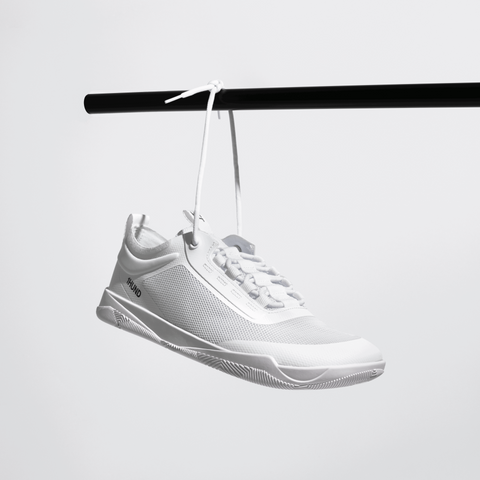
We’re big on gear that works with us, not against us. That’s why recovery isn’t just something we talk about; it’s something we step into, literally. Something as simple as wearing a pair of slip-on shoes with a comfortable fit and a wide toe box can set the tone for a recovery day. They’re easy to slip on before a warmup set or after training when our feet need a downshift, not downtime.
Why Recovery Matters Just As Much As Training
Training breaks us down. Recovery builds us back up. Skipping that part doesn’t just leave us sore; it slows progress and sometimes even forces us to stop altogether. Nobody wants a preventable injury, and yet it’s easy to miss the signals when we’re always focused on pushing harder.
Rest isn’t weakness. It’s actually where strength gets made. Muscle repair happens in the spaces between reps, not during them. The quiet hours after a heavy day hold more value than we usually give them credit for, and they’re easier to protect when we plan for them.
Burnout doesn’t come out of nowhere. It builds over time when we ignore stiffness, dull aches, and low energy. Tuning into what our bodies are telling us helps us stay in the game for longer stretches without needing big breaks to recover from avoidable setbacks.
Simple Ways to Help Your Body Recover at Home
Not every recovery move needs to happen in a gym or with complex tools. Home recovery can be as simple as giving the body gentle movement and care after a hard training day.
• Gentle stretching helps maintain range of motion and prevents that tight, stuck feeling after heavy lifts.
• Foam rolling or a handheld massage device works out sore spots and keeps muscles loose.
• Getting enough sleep sounds basic, but it’s one of the best tools we have for physical repair.
We can’t rush recovery, but we can definitely support it. Even ten minutes of low-effort movement is better than nothing. Rest days don’t mean zero movement; they just shift the type of activity. Something casual like walking or stretching in comfy gear sets the tone better than staying frozen.
The Role of Nutrition and Hydration After Training
We talk a lot about what kind of effort to put in, but what we put back in matters just as much. When training is done, the job isn’t over until energy is replenished and muscles are fed.
Most of what helps with recovery in this area is simple. Whole foods that are easy to digest work fast and don’t leave us dragging. Think lean protein, fruits, and carbs like rice or oats. A light post-workout snack can go a long way toward getting us on track for recovery.
Hydration also helps with bounce back by keeping joints cushioned and muscles from cramping. A few sips of water or an electrolyte drink after a heavy set can make a noticeable difference the next morning. It’s not about perfect meals or routines; it’s about getting the basics right.
Light Gear That Supports Better Recovery
Sometimes what we wear can make a difference in how we feel, especially right after training. Supportive clothes and gear shouldn’t stop at the end of a rep; they should help carry us through recovery as well.
Our Restore Recovery shoes can help our feet maintain better alignment after long sessions in lifting shoes. With a flat sole and roomy toe box, they let our feet move more naturally and relax properly. The more space our toes have, the less cramped we feel after hours of intensity.
We lean on soft, easy gear for in-between sessions because it keeps our bodies moving without adding new stress. The right pair of shoes during a cooldown, warmup, or just walking down the hall helps bridge the gap between workouts.
1HUNDS new Restore Recovery in Noir and Mocha combines a lightweight feel with a wide toe box so your feet stay cool and comfortable during and after a session. This approach to footwear supports mobility and natural movement as your body transitions out of intense sets.
The Long Game: How Recovery Helps You Train Longer
Staying in the rhythm of training isn’t just about consistency; it’s about knowing when to ease off so we can stay in it for the long haul. Recovery teaches patience. It shows us how to stick with our goals by using both effort and rest.
The idea is simple. If we recover today, we can train again tomorrow. Small choices, like winding down properly, eating after we lift, or swapping into recovery shoes, add up over time. They keep us from needing long breaks later.
The most consistent athletes don’t just train hard. They recover hard, too. Taking care of sore muscles, watching for fatigue, and supporting our bodies with the right gear help us keep going week after week.
How Recovery Builds Better Habits All Year Round
When we treat recovery as part of the plan, not just a break from it, we train better. It’s never just about the one workout; it’s about showing up tomorrow ready to work again.
We can’t control every ache or schedule every perfect rest day, but we can prepare. We keep things simple, keep the right shoes handy, and pay attention to the signals our bodies send. Those choices help us push harder when it matters and back off when it doesn’t.
The new year brings new goals, and staying on track means playing the long game. Recovery isn’t where effort stops; it’s where progress takes hold.
When recovery works hand in hand with training, everything feels more sustainable. At 1HUND, we design our zero-drop and barefoot shoes to help athletes, powerlifters, and everyday lifters minimize foot fatigue and optimize post-workout comfort year-round. We’ve seen how the right gear can improve the way we rest between lifts, walks, or long sessions on the move. Something as simple as wearing a pair of zero-drop workout shoes can support better posture and comfort during cooldowns without slowing down your routine.
Level up your winter recovery routine with gear that takes care of your feet when it matters most. At 1HUND, we believe that every detail counts, and small changes can lead to lasting progress. Discover how a pair of recovery shoes can make a difference in your post-training comfort and help keep your body in motion all season. Take your first step toward smarter recovery today.