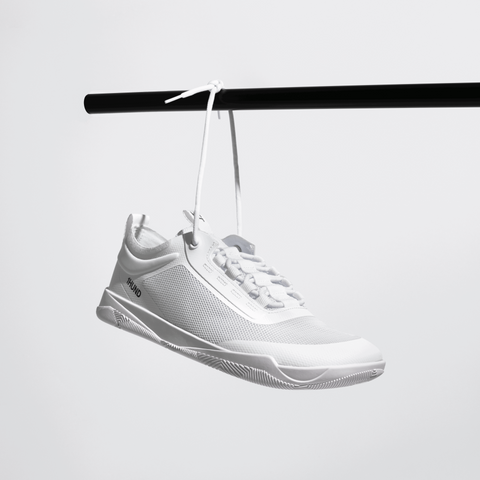


Walking is something many of us do every day without much thought. Over time, though, the kind of shoes we wear can make a big difference in how our bodies feel. That’s where barefoot walking shoes come in. These shoes are shaped to let feet move more naturally, without the thick cushioning or raised heels of regular sneakers.
The idea is simple: less shoe, more connection between your feet and the ground. People who try them often say they feel lighter, more balanced, or more in tune with their steps. But when you’re on your feet a lot, like during a full day of work, errands, or long walks, comfort has to come first. Can shoes built around natural movement really hold up to that kind of wear? Let’s take a closer look at how they perform when daily use demands more from your feet.
What Makes a Shoe Comfortable for All-Day Walking?
Comfort isn’t just about softness. The best all-day walking shoes usually check a few boxes. They fit well, don’t rub or squeeze, let your toes spread, and keep your feet from getting too hot or too cold. If shoes are too stiff or bulky, or if they mess with the natural shape of your foot, you’ll feel it before noon hits.
Most classic sneakers or work shoes are built with foam arches or high heels meant to “support” your foot. That may feel good at first, but over time, it can train your muscles and posture into habits your body doesn’t love. Barefoot walking shoes take a different approach. They skip the high arch and built-in structure and instead give your foot room to move and flex just like it would if you weren’t wearing shoes at all.
This means the focus shifts to natural function. The heel is flat, the sole is thin, and the toe box is wide enough to let your toes do their job. When your foot works the way it’s made to, comfort comes from how well your muscles, bones, and joints move together. For those seeking a neutral, aligned stance even during extended periods, zero-drop athletic footwear can provide solid everyday support.
How Barefoot Shoes Feel in Real Life
If you’ve never worn a barefoot shoe before, the first thing you’ll notice is how different it feels from your average sneaker. There's less padding underfoot, and that can be surprising. The ground feels closer. Every pebble, crack, or hill is more noticeable. But that increased awareness can be a good thing; it helps improve your posture and balance over time.
The wide toe box gives your toes freedom to move instead of pushing them together. This extra space can feel strange at first, but many people come to appreciate how it relieves pressure and allows the foot to move more naturally.
Adjusting to barefoot walking shoes takes time. You’re asking small muscles and tendons that have been underused to wake up and do a little more work. That’s why it’s smart to ease into it. Start with shorter outings and slowly build up to wearing them longer. It helps prevent soreness and lets your body adjust to the new shape and feel.
Daily Routine, Weather, and Seasonal Fit
As winter rolls around, comfort takes on new meaning. Cold mornings, chilly sidewalks, and slippery spots all ask more from your shoes. So, how do barefoot walking shoes hold up to routine use during December?
For one, they tend to be lightweight and flexible, which makes them a good match for day-to-day movement like errands, casual strolls, or light commuting. But with a thinner sole, they don't offer much barrier from the cold. That’s where thoughtful layering comes in. A quality pair of wool or thermal socks can help keep feet warm without stuffing the shoe or reducing circulation.
Another thing to consider as temperatures drop is traction. Some barefoot shoes have decent grip, but they’re not always built for icy walks or snow-packed trails. If your area sees a lot of frost or slush, you might want to stick with clear sidewalks or dry routes and avoid wet pavement when possible.
That said, barefoot walking shoes still work well inside gyms, stores, offices, airports, and other places where the temperature and surface stay consistent. If your winter routine is mostly indoors or involves quick trips outside, they can still fit right into your day without feeling like the wrong choice. Lightweight models like the Aerolux Lite barefoot shoes can provide breathable, flexible comfort that adapts well to different indoor environments.
Supporting Comfort Over the Long Run
Wearing barefoot shoes all day isn’t a one-size-fits-all situation. Some people take to them right away. Others need a longer warm-up. A good plan is to rotate them into your week bit by bit. Mix them into shorter daily walks or low-impact routines so your feet can build up the strength and stability they need for longer wear.
The process is like easing into a new fitness routine. If you go all in from day one, it’s easy to end up sore or throwing off your stride. But give it time, and the changes start to stick. Foot muscles that have been quiet for years begin to activate. You may notice your arches feel stronger. Steps might feel more connected and balanced.
And if something starts to feel off, it's worth paying attention. That could mean adjusting your shoe size, changing socks, or giving your body an extra day of rest. Comfort, in the long run, comes from balance, not just in your step, but in how you introduce the change. Performance-minded users may also benefit from rotating in models like the Trainer Pro barefoot footwear during strength days or stationary exercises.
The Feel-Good Factor: Is It Worth the Switch?
Barefoot walking shoes don’t feel like other shoes, and that’s part of what makes them interesting. They strip away the extras and let your feet work the way they were built to. The tradeoff is that your body has to do a little more of the work, but for many people, that's what makes the comfort feel earned.
Through winter walks, indoor errands, and those long days on your feet, the main questions are how you feel and how your body responds. If you like the idea of moving more naturally and you give your body a chance to adapt, you may find that barefoot walking shoes are not just comfortable, they might become something you don’t want to go without.
With the right fit, a smart transition, and some seasonal awareness, these shoes can become an everyday go-to that feels as close to barefoot as you can get without sacrificing the protection you need.
Experience what natural movement can do for you with our selection of barefoot walking shoes built for comfort, simplicity, and strength. At 1Hund, every pair is made to support your feet through busy commutes, casual strolls, and winter errands so you stay grounded with every step.