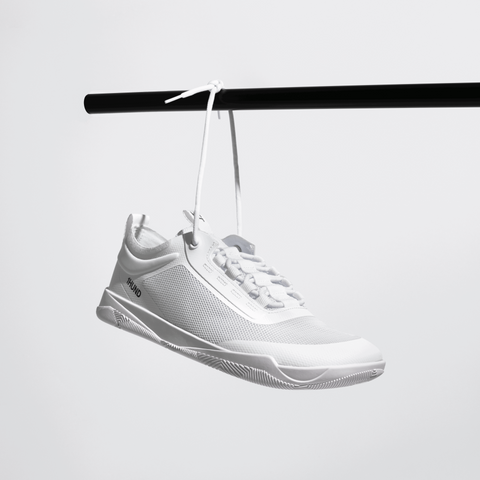


Winter doesn’t just change the weather, it changes the way we move. Colder days call for more intentional choices in training gear, especially when it comes to what’s on your feet. Whether you’re facing icy sidewalks, sweating it out indoors, or layering up for the garage gym, the right shoes matter even more when the seasons shift.
Zero-drop athletic shoes offer a steady foundation during this time of year. Their flat, grounded build makes it easier to stay balanced, even when surfaces are slippery, or your muscles feel a bit tighter from the cold. In this guide, we’ll explain what makes them different and why they might be your best bet when winter challenges your movement.
Why Winter Changes the Way We Train
Seasonal workouts come with new variables. Shorter days, colder temperatures, and unpredictable conditions all factor into how we approach fitness routines. More people head indoors when it's below freezing, and that often means crowded gyms, sweaty floors, and quick transitions between machines or mats.
Even outside, movement can feel different. Thick layers change how freely you move, and colder muscles don’t always respond as quickly. Ground contact becomes more important during these times, especially for balance-sensitive lifts or cardio drills that involve quick direction changes.
Winter also affects how we warm up. It usually takes longer to feel loose, which means proper alignment during early sets becomes a bigger deal. That’s when stable shoes can make all the difference.
What Zero Drop Really Means for Your Movements
Zero-drop athletic shoes are built with a flat sole from the heel to the toe. There’s no lift at the back of the shoe; your heel sits at the same height as your forefoot. That slight shift in design can have a noticeable effect on how your body moves.
With a level base, you don’t have to fight against a tilted posture. Your hips, knees, and spine start in a more natural position. During exercises like slo-mo squats, deadlifts, or tempo lunges, standard in winter strength blocks, a balanced stance helps you stay in control when working at lower speeds.
Even more dynamic winter drills, like pushing a sled or sprinting short distances indoors, get easier to manage when your weight is evenly distributed. A lifted heel can throw your balance slightly forward, which affects force output and reaction time. In slicker conditions or colder weather, anything that helps keep your footing steady gives you an edge.
For strength-focused sessions, switching to the Trainer Pro for powerlifting can offer added traction and support during heavy, controlled lifts.
Key Features That Make Zero Drop Shoes Winter-Ready
A good winter training shoe isn’t just about low drop, it’s about structure and materials too. Zero-drop athletic shoes often come with features that work well for cold-season workouts.
• A wide toe box gives your feet room to spread out. That extra space matters even more when you’re wearing thicker socks. Toes play a key role in balance, especially during single-leg moves or heavy lifts, so letting them splay naturally helps with grip and control.
• Thin, flexible soles keep you in touch with your surface, whether it’s a turf field, rubber mat, or polished gym floor. That feedback keeps your step grounded and helps your ankles adjust more quickly to small shifts underfoot.
• Breathable uppers that still provide structure are important in winter too. Even when it's cold outside, you can still sweat indoors. Shoes that let your feet stay cool without slipping or bunching inside help prevent distractions during a tough set.
When constructed properly, these design choices support both comfort and performance when training in less predictable winter conditions. Models like the Aerolux Lite barefoot shoes offer breathable materials and a mobility-friendly design that adapts to different surfaces and environments.
Common Problems Fixed by Flat-Sole Training
Winter training often emphasizes form and control, especially when workouts slow down or go heavier. Some of the most common problems in winter sets come from footwear that gets in the way of natural movement.
Raised heels, common in many cushioned sneakers, can tilt your pelvis forward over time. That makes it challenging to maintain a neutral spine during compound lifts. When your hips shift out of place, tension spreads to your lower back and knees, areas that already work harder in cold temperatures.
Shoes with thick, soft soles might feel warm or plush, but they absorb the ground feel your feet rely on. Without that feedback, you’re more likely to roll an ankle during quick pivots or lose your alignment during a set of step-downs.
Barefoot training footwear takes a different approach. They allow your body’s geometry to reset. Your feet can land more evenly, your muscles can fire in the right sequence, and your stability improves with each rep. In winter blocks where progress often means doing less, but with more focus, footwear that keeps you grounded can make those reps count more.
Better Winter Training Starts With Your Feet
Movement in colder months demands more attention. Whether it’s staying warm enough to activate properly, avoiding slips on polished floors, or lifting heavy without tipping forward, little adjustments go a long way. And often, it starts underfoot.
Zero-drop athletic shoes help you connect with the ground in a direct, supportive way. They offer balance, alignment, and core stability when conditions are less than ideal. When your training slows down or shifts indoors for winter, having the right shoes can keep each session consistent, focused, and safer from start to finish.
When winter workouts call for more control and grounded movement, having the right gear underfoot can make all the difference. At 1HUND, we build shoes that support strong, stable training year-round, including a full lineup of zero-drop athletic shoes that help you stay balanced through every set, shift, and stride.