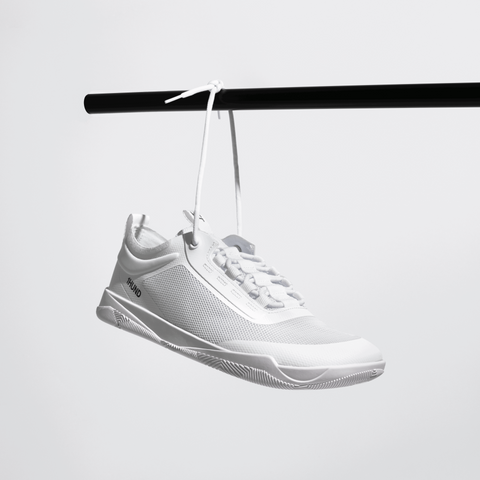


If you’ve ever felt off balance during squats or wondered why your knees ache after leg day, your shoes might be part of the problem. The kind of shoes you wear in the gym matters more than most people think, especially when it comes to squats. Raised heels, extra cushioning, and bulky soles can all mess with your form.
That’s where zero drop shoes for the gym come in. These shoes have a flat sole from heel to toe, which keeps your feet level and close to the ground. This natural setup helps your body stay aligned and balanced, two things that really matter when you’re squatting. With squatting season picking up around this time of year, now’s a good moment to rethink your gear and what’s going on under your feet. Something like the Aerolux Lite barefoot shoes can give you a better connection to the ground without extra bulk.
Why Your Shoes Matter When You Squat
Most training shoes you’ll see in gyms are built with raised heels and extra padding. While that might feel comfy during cardio, it isn’t doing any favors when it’s time to squat. A raised heel shifts your weight forward, which often leads to your knees tracking out ahead of your toes. That makes it harder to squat deep with control.
On top of that, soft soles can take away the stable base you need to drive through your heels. If your shoes compress under pressure, they don’t give solid feedback to the rest of your body. That can throw off your stance and, over time, create unwanted strain on your joints.
Flat soles do more than just feel different. They help your hips, knees, and ankles move together in a natural line. That’s the way your body works best when it’s trying to stay strong and safe under load. Without that solid base, even small muscle imbalances or uneven pressure can lead to wobbly form or a shaky landing at the bottom of the rep.
What Makes Zero Drop Shoes a Better Choice
Zero drop shoes support balance by keeping your foot flat from front to back, which allows your full foot to stay in contact with the floor. That helps with both control and ground feel. You’re not always aware of it, but when your brain gets better feedback from your feet, it becomes easier to adjust your form in real time.
These shoes often come with thinner soles too, which puts you closer to the ground. That smaller distance means you get better balance and less sway side to side while you lift. Being closer to the ground gives your foot muscles more to do, improving how you grip the floor with every rep.
Most zero drop shoes also have a wider toe box. This gives your toes space to spread out naturally, which creates a stronger base of support for your whole body. Think of it like planting your feet on solid ground instead of standing on cushions. That wider stance helps you stay planted, especially on heavy squats. If you’re looking for a color-forward option, the Trainer Pro in Lavender offers extra ground feedback with a lightweight build.
How Zero Drop Shoes Improve Squat Form
One of the biggest changes people notice when switching to zero drop shoes is how much more upright their squat becomes. With your body stacked properly, hips under shoulders, knees tracking over toes, it’s easier to control your movement. This upright form puts less stress on your lower back and spreads the work out more evenly.
That centered body position also helps prevent that common forward lean you see when people struggle to stay upright during a squat. Leaning forward isn't just uncomfortable, it can limit your mobility and strain your back muscles. A flatter sole keeps your posture honest.
Better foot alignment can also mean deeper squats without forcing it. The base stays sturdy, ankle movement improves, and your hips can drop naturally without feeling like you’re going to tip over. All of this builds toward safer, more efficient movement with less risk of injury.
What to Look for When Picking the Right Pair
Not every zero drop shoe is equal, especially if you plan to use them in the gym. Here are a few key things to keep in mind:
• Look for solid grip. The outsole should keep you from sliding on tile or rubber gym flooring.
• Check the toe box. Your feet need space to breathe and move naturally. If your toes feel squished, the shoe might not support proper foot function.
• Keep it light. Heavier shoes can feel clunky, especially during faster-paced sets. A lightweight shoe makes it easier to stay quick on your feet without losing control.
There’s no need for extra tech or layers in a squat shoe. You want every part of your foot to feel connected to the floor, not floating above it. Try them out with bodyweight movements first to feel how your balance shifts. A good pair should make you feel more stable without having to think about it. The Aerolux Lite Barefoot in Noir is an ultra-light option that helps you stay grounded without distraction.
Training Smarter Starts at the Feet
Better squats come from consistent effort and strong foundations. Picking the right shoes sets you up for safer movement, whether you're loading up a barbell or just working on your form.
Zero drop shoes for the gym make it easier to stay balanced, upright, and strong throughout the movement. By giving your feet a level base, they support the kind of technique that protects your joints and lets you train with confidence. What you wear down low might seem like a small thing, but it makes a big difference when every rep counts.
At 1Hund, we put a lot of thought into how our shoes support better movement, especially when it comes to training safely and confidently. For options that help you stay grounded during lifts, take a look at our full selection of zero drop shoes for the gym and find the fit that works with your routine.