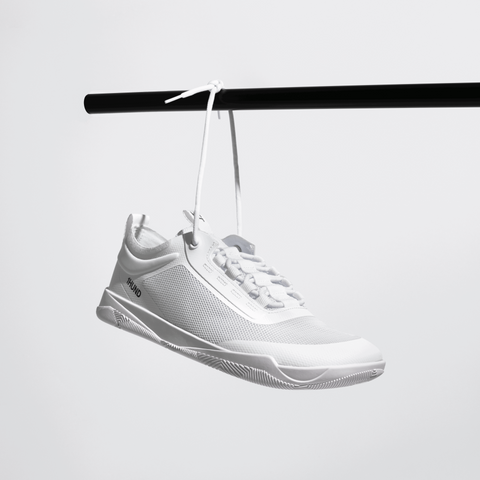


Picking the right gear makes a real difference in how you train, and it usually starts with your shoes. If you’re someone who mixes lifting with cardio, throws in box jumps, lunges, and sled work all in the same hour, your shoes need to keep up. Barefoot cross training shoes are made with that kind of variety in mind.
This guide is here to help you figure out what to look for, what matters most, and how to choose a pair that helps you move better, with more control and less bulk. When your feet feel stable and ready, the rest of your body tends to follow.
What Makes Cross Training Different From Other Workouts
Cross training often blends strength, speed, and agility work, sometimes all in one session. One minute you might be sprinting, the next you’re in a deep squat or throwing a kettlebell around. These shifts demand shoes that can keep you steady, quick, and supported from the ground up.
If you’ve trained in regular running shoes or bulky gym sneakers, you’ve probably noticed how they can slow you down or make your footing feel off. Running shoes are built to go forward, not side to side. They don’t hold up well to heavy lifts or sudden direction changes. Shoes made for lifting might not give you enough flexibility or grip when the pace picks up.
Cross training needs a shoe that can keep your foot grounded during a deadlift, then let you move fast and light during a shuttle sprint. That’s a tall order, but barefoot designs are starting to shift how athletes manage that balance. If you're looking for a place to start, the Aerolux Lite collection offers lightweight support built for fast transitions.
Because cross training is so diverse, the right footwear supports lateral movements, jumping, and explosive speed work, plus offers enough comfort for longer sessions. This crossover of expectations means finding a shoe that doesn't compromise on any aspect of performance or stability. The right footwear can help support your most challenging workouts and provide the stable foundation necessary for progress over time.
How Barefoot Design Changes the Way You Move
One of the biggest shifts you’ll notice in barefoot-style shoes is the way they let your foot connect to the ground. A thin, flexible sole means you feel the floor more. That matters when every step, jump, or push starts from the same place, your feet.
The design also changes posture. Traditional shoes often raise your heel slightly, which alters your alignment. Barefoot cross training shoes usually have a flat (or zero-drop athletic footwear) platform that helps keep you upright and balanced during movement. This can be especially helpful during squats, lunges, and cleans.
Being able to connect directly with the floor improves foot mechanics and allows for natural movement. It brings more stability to your base and can help prevent rolled ankles during quick transitions. Over time, training in barefoot shoes may encourage you to develop better control of your mechanics, which can reduce the risk of strain or injury.
Balance and control get another boost from the wider toe box. When your toes have room to spread out, workouts feel steadier. Think about how it feels to do a broad jump or side shuffle in tight shoes versus a flexible pair that moves with you. That extra space may not seem like much, but your body notices. Every joint up the chain, from your ankles to your hips, works better when your base is strong and steady.
The increased awareness that comes from this design influence does more than improve athletic performance; it supports better movement habits even outside of the gym. Whether you are walking, running, or lifting, the natural support and alignment from barefoot-inspired soles can help you feel more connected to every movement.
Features to Look for in a Good Pair of Barefoot Cross Training Shoes
Not every barefoot-style shoe is built for cross training. Your pair should be able to match the demands of fast, multi-directional workouts while still giving you the feedback and ground control barefoot shoes are known for.
Here are a few features worth paying attention to:
• A flexible but durable sole with strong grip. It should handle slick gym floors, turf, and quick outdoor runs or sled pushes.
• A secure midfoot fit. The shoe should hug your foot in the middle without clamping your toes, which need room to work.
• Light, breathable materials. When the tempo picks up, your shoes shouldn’t weigh you down or hold onto heat.
Choose something you can forget you’re wearing but still trust under pressure. A good pair won’t get in your way when it’s time to lift, push, or sprint. The Trainer Pro collection is a solid option for athletes who need added grip and durability under intense training loads.
It pays to look at how the shoe handles a variety of surfaces as well. Not all gyms have the same floors, and you may find yourself training outdoors or switching between equipment. Good barefoot shoes are adaptable, able to tackle turf, hardwood, and rubberized flooring with equal confidence. Breathable mesh or knit uppers contribute to foot comfort, helping to keep things cool when the pace increases. Subtle features, like a padded collar or reinforced toe cap, can add durability for repeated use in demanding workouts.
Common Fit and Form Issues, and How the Right Shoes Help
The wrong fit can show up in ways that aren’t always obvious at first. Rolling ankles during side shuffles, knees caving in during squats, or uncomfortable landings after a jump, these might feel like technique issues, but often start with poor footing.
Shoes that are too padded or narrow stop your foot from responding naturally. Your arches might sink, which makes balance harder and puts more load on your joints. Raised heels can tilt you forward without realizing it, shifting weight into your knees or hips instead of keeping it stacked.
Barefoot cross training shoes help by removing those stumbling blocks. Zero drop means your body stays centered. A wide forefoot gives your toes room to grab and react as needed. The firm contact with the ground helps you stay upright and connected, which often leads to better form without having to overthink it.
We’ve seen it ourselves. Athletes who switch from cushioned sneakers to barefoot trainers often notice fewer missed steps, fewer adjustments in their landings, and better posture in lifts. Stronger footing, even in small ways, makes training feel smoother and more natural.
If you struggle with recurring aches or imbalances, evaluating your footwear can be a valuable step toward resolving those discomforts. Sometimes, simply feeling more secure with each step gives you the peace of mind to focus on your training goals instead of worrying about slips and wobbles. Over weeks of consistent training in footwear that actually fits your needs, even small corrections in posture and alignment can add up to a noticeable difference in performance and recovery.
Smart Moves Start From the Ground Up
With cross training, your body is always adjusting, from power to speed to control and back again. The right shoes give you the freedom to move the way your body is meant to, without the extra bulk or guesswork.
Barefoot cross training shoes support these shifts by keeping things simple and grounded. A good pair helps your feet feel what’s happening below you, and that makes it easier for the rest of your body to react with purpose. When your foundation feels solid, the rest of your movement doesn’t have to play catch-up.
Having a solid base is not just about preventing injury; it’s about unlocking new levels of control and fluidity in your training. The shoes you choose play a big part in creating the conditions for improvement, keeping each rep consistent, and allowing you to build skills that transfer across different workout styles.
Bring more control, balance, and comfort to every workout with our full collection of barefoot cross training shoes built for real gym variety. At 1Hund, we design each pair to handle quick shifts between lifting, moving, and everything in between so your feet stay grounded and your attention stays on your training.