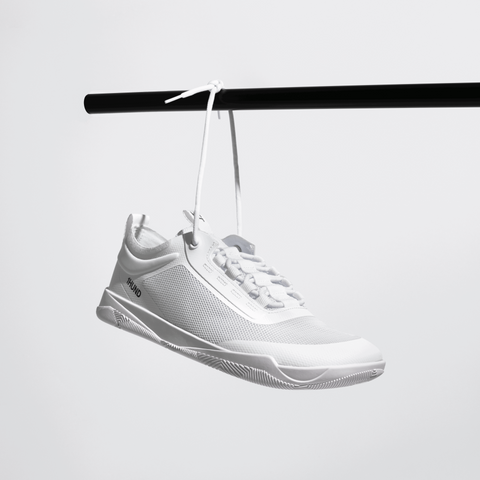


When you lift often, you notice the small things. The way your grip feels. How steady your stance is during heavy reps. Even when a change seems minor, it can shift your whole routine. That’s exactly what happens when lifters try barefoot training shoes for the first time. They feel different, and not just under your feet. Everything from balance to movement to mindset starts to shift.
The difference is noticeable almost immediately, which is why so many gym-goers give them a second look. In the sections below, we’ll talk about what most lifters quickly pick up on when they slip into barefoot shoes. Some changes are instant. Others sneak up after a week or two. Either way, the feedback tends to be the same: something just feels better.
What Changes You Feel Right Away
One of the first things lifters mention is how much more grounded they feel. There’s a stronger sense of connection between foot and floor. Traditional training shoes often have thick soles and raised heels, which can cushion too much and throw off your balance. Barefoot shoes flatten that out.
With a thinner sole, you don’t have to guess where your pressure is. You’ll notice exactly how your weight shifts when you dip into a squat or brace for a deadlift. Movements feel clearer. Your stance feels more secure.
The toe box usually catches people off guard in a good way. There’s room to spread out, which gives your feet more leverage during lifts. It’s not just comfort; it helps your body stay centered. When your toes can grip, you’re less likely to sway or overcorrect mid-rep. A lot of lifters say they feel more in control, even during heavy sessions, right out of the gate.
Many find that lightweight options like those in the Aerolux Pro collection offer just the right balance of grip and freedom, which makes transitions in the gym feel more natural. These shoes are designed for a barefoot feel, allowing athletes to move with agility and confidence, making every lift and movement feel more intentional.
Better Form Without Thinking About It
What surprises people most is how their posture seems to fix itself. Barefoot training shoes don’t have a heel lift, so your foot stays at the same level from heel to toe. That slight difference makes it easier for your body to find proper alignment, especially during squats, deadlifts, and other compound movements.
When your feet are flat, your knees and hips don’t drift as much. Your core stays tighter. Instead of rolling forward or shifting side to side, your frame gets more stacked. You won’t need as many cues or reminders to stay upright because your body adjusts naturally.
Without all the cushion, you can feel each rep more clearly. That helps with control. You’re not bouncing or sinking into the floor. You’re using your own strength to get up and down. That feedback loop starts to teach you better habits, your setup gets cleaner, your lockout feels more solid, and your joints stay in line during transitions.
You might also notice improvements in your stability and control during dynamic lifts. As you train, your foot muscles adapt by working harder, leading to small gains that add up over time. While this process feels natural, pay attention to your technique as the barefoot design encourages a closer connection with the floor.
Surprises That Show Up in Everyday Training
After the first few sessions, some lifters notice soreness in places they didn’t expect. Calves, feet, ankles. That tends to happen when muscles that weren’t being used before start waking up. It’s not painful, just different. Like realizing you’ve been skipping a step and now your body is catching up.
Switching exercises mid-workout becomes quicker too. If you bounce between stations or do supersets, shoes without thick soles help. You’re more stable, which means less ironing out your footing between movements. That can make metcons, circuits, or drop sets feel smoother and less clunky.
Movement overall starts to feel more natural. Jumping, changing direction, or landing from a step-down doesn’t come with as much jolt or hesitation. Your body adjusts faster because your feet are doing more of the work. There’s less recovery time between reps and more flow during each set.
Even activities that used to feel jarring become much more fluid, such as box jumps or split squats. What once may have felt awkward or off-balance becomes a sequence that feels controlled and comfortable, so you can focus more on challenging yourself in your workout.
For lifters who want added ankle coverage and support without giving up ground feel, the Atlas Hi-Top shoes are another solid option. These shoes are particularly appealing for those who like a classic high-top look or want a bit more support during compound lifts.
What Lifters Usually Stick With
After a bit of adjustment, most people stay with the switch. One reason is better balance. It’s not that everything becomes perfect, but the small fixes start adding up. You don’t wobble as much under a bar. You hit depth more easily. You keep cleaner form through hard lifts.
Another thing is that once your body gets used to the flat sole, wearing cushioned sneakers for lifting starts to feel odd. You may even catch yourself tugging your heel down or shifting to stay grounded without realizing it. It’s like your feet know what they want, and they don’t want to go back.
There’s also a mental shift. After a while, lifters stop thinking much about their shoes altogether. That’s not because they stop mattering, it’s because foot placement and feel become automatic. Instead of being one more thing to focus on, your footwork just takes care of itself.
It becomes second nature to adjust your stance or foot pressure. Over time, this turns lifting into a more mindful practice in which your body intuitively corrects itself, and you build confidence in your routine. Training feels simpler, and you can focus on progressing your lifts and skills.
To make sure your barefoot shoes feel right from the start, consult our sizing guide before ordering. A precise fit matters more than most people expect, especially when working under heavy loads. The correct size can help prevent slippage or discomfort and allows your toes to spread properly for maximum stability.
Footwork That Stays With You
The longer you train in barefoot shoes, the more you notice the carryover outside your workouts. That steady base and better posture start showing up when you’re walking around, climbing stairs, or standing for longer periods. Because you’ve built better habits in the gym, your body starts holding itself differently throughout the day.
Even when you're not wearing your barefoot training shoes, the muscle memory doesn't just disappear. You may adjust how you walk or stand, instinctively. Your body has figured out a stronger foundation, and that shift has become part of how you move.
That’s the part most lifters don’t expect at first. You start wearing these for training, but the benefits don’t stop at the gym door. With time, they stick, and that’s usually when people realize it was more than just switching shoes. It was a full shift in how your body moves.
At 1Hund, we focus on gear that supports strong, natural movement where it counts most. When balance, alignment, and overall control matter most during heavy sessions, our lineup of barefoot training shoes offers the grounded feel and foot freedom your workouts demand.