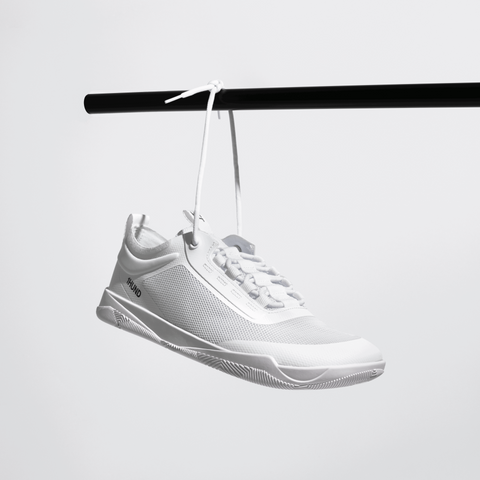


Switching to barefoot gym shoes can make your lifts feel different in the best way. You get closer to the floor, feel more stable, and connect better with each rep. Your feet can spread, grip, and help you create real power from the ground up.
But when we drop to zero drop, the load on our body shifts. Our feet, calves, Achilles, and even hips take on work that used to be hidden by thick foam and big heels. If we rush that change, aches show up fast. What should feel strong and natural can turn into sore arches, cranky ankles, or tight calves that do not calm down.
That is why a smart 2-week plan matters. We want you lifting strong this spring and summer, not backing off because your feet are fried. With a clear plan for load adjustments, smart exercise swaps, and simple warning signs to watch, you can break in your barefoot gym shoes and your body at the same time.
Before You Drop to Zero Drop
Before you move your big lifts into barefoot shoes, take a quick look at where you are starting. Think about your current shoes. Are they thick and cushioned with a high heel, or already somewhat flat and flexible? Also, think about your weekly training load, like how many sets you do for legs and how many days you are on your feet walking, running, or doing cardio.
It also helps to be honest about any old pain. If your feet, ankles, or knees have been talking to you, rushing your transition can turn a whisper into a shout. This does not mean you cannot switch. It just means you should move more slowly and pay closer attention.
You can run a few simple checks at home:
• Stand on one leg for 30 seconds, no wobbling chair nearby
• Do slow bodyweight calf raises and control both up and down
• Stand tall and notice your arches, do they collapse inward or stay lifted and active
If these feel shaky, think of them as signals, not failures. They tell you what needs a little extra care.
Start light prep work about a week before you go all in. Spend a few minutes a day on foot strength, like towel curls with your toes and a short foot drill where you gently pull your big toe toward your heel to lift the arch without scrunching. Add easy ankle circles and soft calf stretches. Around the house, wear your barefoot gym shoes for short walks, just to let your skin and muscles get used to the new feel.
Week 1: Controlled Exposure and Load Adjustments
In Week 1, we treat barefoot training like a new exercise. That means controlled exposure, not all or nothing. A simple rule works well: use your barefoot gym shoes for only about 20 to 40 percent of your total lifting sets.
Early in the week, keep them for the easiest parts of your session. Think warm-up sets for squats or deadlifts, standing upper body work, and stable machine moves where balance is not heavily tested. Your goal is to teach your feet and lower legs the new position without stacking heavy fatigue on top.
On your big lifts, when you are in barefoot shoes, drop the working weight by about 10 to 20 percent. Keep 1 or 2 reps in the tank instead of grinding to failure. Focus on slow, controlled lowering and tight bracing from your feet all the way up through your core. This helps you groove new patterns without overloading fresh tissues.
There are also things we suggest you skip in Week 1:
• No heavy max attempts on squats or deadlifts
• No long sets of high-rep jumping or bounding
• No long treadmill walks or runs in barefoot shoes
• No stacking leg day plus long outdoor walks in the same new shoes
Expect a bit of mild foot or calf soreness, especially in the evenings. That can be normal. What we want to avoid is sharp or growing pain that builds each day.
Week 2: Exercise Swaps and Smart Progression
If Week 1 felt okay, you can lean in more during Week 2. Aim to do about 50 to 70 percent of your strength work in barefoot gym shoes. Place them on your main compound lifts, like squats, deadlifts, and presses. Still, if your lower body feels beat up, it is fine to keep one leg day in your old shoes while tissues catch up.
This is a great time to use smart exercise swaps that are friendlier on your feet and ankles but still build strength. For example, you might swap:
• Barbell back squats for box squats or safety bar squats
• High-impact jumps for low box step-ups or small, controlled box jumps
• Long walking lunges for in-place split squats or rear foot elevated split squats
These moves limit chaos and impact while you adapt to the flatter base and closer ground feel of barefoot gym shoes.
When you progress, change only one thing at a time. That might be a bit more weight, a few more sets, or more total time training barefoot, but not all three. A simple note in your training log on foot and calf soreness helps too. Rate it in a way that makes sense to you and watch for trends across the week.
Use rest days for easy mobility. Gentle calf stretching, light ankle work, and soft tissue care with a ball under the arch can all help. The goal is to show up to each new session feeling fresher, not more wrecked.
Red Flag Signs and Quick Fixes
As you move through these two weeks, your body will send signals. Some are green lights, like mild soreness that fades. Others are red flags that tell you to slow down.
Pay attention to signs like:
• Sharp heel pain when you take your first steps in the morning
• Hot, burning, or knot-like pain in your arch
• Tightness along the Achilles that does not loosen after warming up
• Achy toes or ball of the foot that gets worse across the week
If you notice these, pull back your barefoot training volume by about one-third to one-half. Shift your heaviest compound lower body work to supported machine moves while things calm down. Bring in gentle daily care for your calves and the bottom of your feet with light stretching, soft tissue work, and simple contrast baths if needed.
If you see swelling, bruising, or pain that changes how you walk, it is time to stop pushing and find professional help. The same goes for any pain that refuses to settle after a week or so of backing off barefoot work and lowering your training load.
Lock in Barefoot Strength with 1HUND
By the end of two focused weeks, your feet and lower legs should feel more aware and more involved in every rep. You will have gone from careful first steps in Week 1 to handling more of your main lifts in Week 2, all while learning how your body responds to the new setup. That sets you up for stronger, more stable training as the weather warms and your lifting phases ramp up.
From there, keep building. Gradually bring all key strength days into your barefoot gym shoes, and sprinkle in short rebuild weeks with lighter loads when training volume climbs. Make foot and ankle strength a regular part of your warm up so your base stays strong for the long haul.
At 1HUND, we build barefoot and zero drop athletic shoes to support this kind of training, from strength sessions to cross-training to everyday wear. When you are ready to move fully into barefoot gym shoes, a clear, patient plan helps you feel grounded, stable, and powerful under every rep you take.
Feel The Difference With Footwear That Moves Like You Do
If you are ready to lift, sprint, and recover with more natural stability, our barefoot gym shoes are built to support every rep. At 1HUND, we design footwear that helps you stay grounded so your strength and mobility can do the work. Explore the collection today and choose the pair that matches your training style. Your next session can be the one where your shoes finally work with you, not against you.