

Why Zero Drop Shoes Are Changing the Way We Train
Zero drop shoes are simple in concept and powerful in effect. Instead of lifting your heel higher than your toes, they keep your heel and forefoot on the same level. That small design difference can change how you stand, lift, walk, and recover. If you are tired of sore knees after squats, tight hips on leg day, or cramped toes in narrow trainers, zero drop shoes are worth your attention.
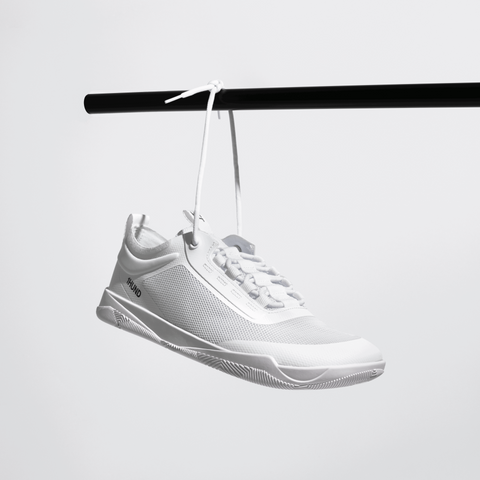
Typical training and running shoes use a raised heel. That can feel cushioned and familiar, but it also shifts your weight forward and often squeezes your toes together. Zero drop shoes keep you flatter and, when paired with a foot-shaped design, let your toes spread and grip. At 1HUND, we build zero-drop, barefoot-inspired training shoes, hi-tops, and recovery footwear for lifters and everyday athletes who want that grounded, natural feel without giving up stability or style.
What Zero Drop Actually Does to Your Body
Raising your heel changes your posture. When the heel sits higher than the forefoot, your center of mass drifts forward. To stay upright, your knees, hips, and lower back adjust with small compensations. In a squat or deadlift, that can mean more pressure on the knees or low back and less on the muscles you actually want to train. Zero drop shoes bring your heel back down, which encourages a more neutral stance and cleaner alignment from the ground up.
Your feet feel the difference first. In zero drop shoes, the intrinsic foot muscles, arches, and ankles have to do more of their original job. Instead of relying on a sloped midsole, your feet work to stabilize and control each rep. That can improve balance and body awareness, but it can also feel tiring or wobbly at the start, especially if you have spent years in heavily cushioned or elevated footwear.
The effects travel up the chain. Your calves and Achilles tendons lengthen slightly because they are not shortened by a constant heel lift. Over time, this can support better ankle mobility and a smoother squat or lunge pattern. Your knees and hips may track differently, and many people notice that their lower back feels less compressed when they stand and move in a more stacked position. At the same time, zero drop shoes can expose weak links, like tight calves or stiff ankles, that used to hide behind a raised heel.
It is also helpful to separate the ideas of zero drop and barefoot or minimalist. Zero drop just means no height difference between heel and forefoot. Barefoot or minimalist often refers to low stack height, lighter cushioning, and flexible structure. You can have a zero drop shoe with some cushioning and support, or a very minimal zero drop shoe that feels almost like being barefoot. Knowing that difference lets you choose the level of ground feel and protection that fits your training.
Key Benefits of Zero Drop for Lifters and Everyday Athletes
In the gym, a flat base is your friend. For deadlifts, squats, and machine work, you want to push straight into the floor, not into a tilted platform. Zero drop shoes with a stable, foot-shaped platform give you better contact with the ground, which can improve balance and force transfer. Many lifters feel more secure at the bottom of a squat or when bracing for a heavy pull because they are not rolling forward into a raised heel.
Zero drop shoes also support more natural movement and foot health. A wider, anatomical toe box lets your toes splay and grip, which helps your arches work the way they were meant to. Over time, that can reduce cramped toes, irritation from narrow forefeet, and the sense that you always need hard arch support. With more proprioception, or body awareness, you feel where your weight is on your feet, which often leads to more precise technique.
Outside the gym, zero drop footwear helps reduce the gap between your training life and your everyday life. When you move through your day in the same basic posture and foot mechanics you train in, your body adapts more consistently. You are not teaching your feet one pattern in the gym and the opposite pattern in your daily shoes. For many people, this consistency brings a calmer, more confident feel with each step.
There is a mental side too. Feeling plugged into the ground builds trust in your base under heavy loads, quick changes of direction, or long days on your feet. That awareness can make cues like "root your feet" or "spread the floor" actually mean something in your body, not just in your head.
Risks, Myths, and Who Should Be Cautious
Zero drop shoes are not magic and they are not automatically better for every person or situation. They are a tool. Switching to zero drop will not instantly fix knee pain, hip tightness, or old injuries. What they do is change the demands on your body. If you respect that change, they can be helpful. If you rush, they can create new issues.
The biggest risk is transitioning too fast. If you go from thick, raised-heel shoes straight into long training sessions or all-day wear in zero drop, you may feel:
- Tight or sore calves
- Irritated Achilles tendons
- Plantar foot soreness or flare-ups
- General aching in feet and ankles
Certain people should be more cautious. If you have current foot injuries, active Achilles problems, significant heel pain, or very stiff ankles, consider talking with a healthcare or movement professional before making big changes. You may still be able to benefit from zero drop footwear, but you will likely need a very gradual plan.
It also helps to know the difference between normal adaptation and warning signs. Mild, symmetrical soreness in your arches or calves that eases with rest and feels like "I worked new muscles" is usually a good sign. Sharp or localized pain, burning in the heel, swelling, or symptoms that get worse with each session instead of better are signals to slow down, change shoes, or get your fit and technique checked.
How to Transition and Choose Zero Drop Shoes Wisely
A smart transition starts with short, controlled exposure. Instead of wearing new zero drop shoes for an entire leg day or a full shift on your feet, begin with:
- Warm-ups and mobility work
- Light accessory lifts or bodyweight movements
- Short walks or errands
- Limited daily wear at home or around the gym
From there, you can gradually add time and load. Alternate between your old shoes and your zero drop pair, and pay attention to how your feet, calves, and knees feel the next day. If things feel fine, increase time slightly. If soreness is building, hold steady or step back.
Supporting the transition with simple strength drills makes it easier. Toe splay practice, short barefoot periods at home on safe surfaces, calf raises, and single-leg balance work all train the muscles and tissues your new shoes will call on. Think of it as prehab for your feet.
Fit matters as much as drop. A true zero drop shoe that is shaped like a narrow triangle will still cram your toes together and limit what your foot can do:
- A foot-shaped, roomy toe box
- Enough length so your toes are not hitting the front
- Good outsole grip for the type of surfaces you train on
- The right mix of flexibility and structure for your sport
Hi-tops or more structured zero drop shoes can make sense for heavy barbell work or athletes who like extra ankle coverage and stability. Recovery-oriented options with softer cushioning and a relaxed feel can help your feet calm down on lighter days or after intense sessions. At 1HUND, we focus on barefoot-inspired, foot-shaped designs that stay zero drop across performance trainers, hi-tops, and recovery footwear so lifters and athletes can keep a consistent base in and out of the gym.
Step Into Better Training with Zero Drop
Zero drop shoes are about alignment, awareness, and strength from the ground up. By leveling your heel and forefoot and giving your toes room to move, they encourage more natural mechanics and a more stable platform for lifting, training, and everyday life. When you transition thoughtfully, they can help you uncover and build the weak spots that hold back your performance.
Before you switch, take an honest look at your current shoes, movement patterns, and goals. Start with small doses, listen closely to your body, and give your feet a chance to adapt with basic strength and balance work. When you are ready to upgrade, choose zero drop footwear that is truly foot-shaped and suited to your training style, so every step in the gym and outside of it supports the way you want to move.
Feel The Difference Of Natural Movement Today
If you are ready to give your feet the comfort and alignment they deserve, explore our collection of zero-drop shoes designed for everyday performance. At 1HUND, we focus on footwear that supports natural movement so you can walk, train, and live with less strain. Take the next step toward healthier, stronger feet and experience what a truly balanced stride feels like.