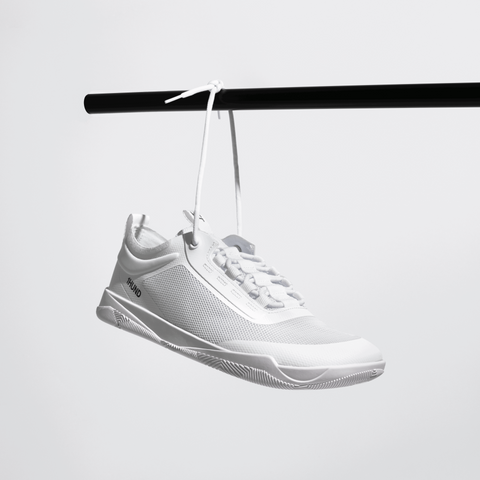


Rethink Upper Body Day: Why Your Shoes Still Matter
Many lifters treat upper body days like “throw-on-whatever” shoe days. Old running shoes, bulky trainers, even casual sneakers show up when the main work is bench, pull-ups, or arms.
That habit can quietly hold back your performance.
When your feet slide, tip, or sink into soft foam, the rest of your body has to fight to stay lined up. Your brain spends energy just trying to balance instead of driving the bar, cable, or dumbbell. Barefoot gym shoes change that by bringing you closer to the floor.
A flat, low-profile shoe can help your body stack in a better way. You stand taller, ribs line up over your hips, and your shoulders have a stronger base to press from. You feel where your weight sits in your feet, so it is easier to stay locked in for every rep.
As we move through this topic, we will keep coming back to a few big ideas: more stability on each set, a stronger kinetic chain from the ground up, and smarter movement patterns that carry over to heavy leg days and athletic work.
Ground-up Strength: How Foot Position Impacts Your Upper Body Lifts
When we talk about strength, we like to think feet first. Even on upper body day, your feet are the first link in the chain.
A solid foot connection helps you lock in your rib cage and hips. That makes it easier to set your shoulder blades and keep tension through your whole body. With a flat, zero-drop shoe, you can push the floor away and stay tight from the ground to the bar.
Think about some common lifts:
- Bench press: Your feet drive into the floor to keep you from sliding up the bench. If your shoes are squishy, your legs fade and you might lose tightness or start over-arching your back.
- Standing overhead press: Wobbly feet turn into wobbly hips and ribs that flare forward. A steady base helps the bar travel in a clean path, close to your face, without leaning.
- Rows and pull-downs: Even when seated, many lifters plant their feet to stay braced. A stable foot helps you keep your chest tall and pull with your back, not your lower back.
- Machine work: Press machines, cable stacks, and plate-loaded rows feel better when your feet grip the ground so the only thing moving is the weight.
Barefoot gym shoes give you a closer-to-barefoot feel while still protecting your feet. That low, even platform helps you feel the floor with more detail. Your body reads that feedback and tightens up through your ankles, knees, and hips. That can lead to more repeatable form, instead of every set feeling slightly different.
Barefoot Gym Shoes on Light Days
Upper body days are often lighter on the spine and lower body, which makes them great for trying something new with less stress. If you are curious about zero-drop footwear, this is a smart place to start.
On a day that is more about pressing, pulling, and accessories, you are not usually maxing out heavy squats or deadlifts. That means your feet are under less load, so you have more room to learn how barefoot-style shoes feel.
Spring brings more “pump” days too. People add standing cable work, arm supersets, and shoulder finishers as they ramp up for warmer weather. All of that time on your feet is a hidden chance to build balance and foot strength while the loads stay moderate.
You can phase things in like this:
- Wear barefoot-style shoes for your warm-up and early accessory work.
- Use them on push-pull supersets that keep you on your feet between presses and rows.
- Add them for core work where you stand, hinge, or hold split stances.
- Slowly keep them on longer each week, so your feet and lower legs adapt.
That steady approach lets your body learn without rushing or forcing big changes overnight.
Better Control on Every Rep: Upper Body Movements That Benefit Most
Some upper body moves really show the difference when your base is flat and stable.
Standing overhead press is a big one. With a solid midfoot connection, your weight stays centered instead of rocking onto your toes or heels. That keeps the bar path close, so you can drive straight up instead of drifting forward.
Landmine presses benefit as well. You often use a split stance or athletic stance on these. Barefoot gym shoes help both feet share the load, so your hips do not twist and your ribs stay stacked.
Cable work, dips, and bodyweight moves also feel more grounded when your shoes grip the floor instead of rolling. Less heel lift can mean your knees and hips stay in line as you press, pull, or hold tension.
Hybrid trainers and athletes who blend lifting with conditioning in one session can get even more from this setup. Training upper body moves in barefoot-style footwear makes it easier to slide into light jumps, carries, or short conditioning blocks without changing shoes. Your feet learn to stay active and responsive from strength sets to quick footwork, which supports smoother transitions overall.
Training Smarter in Warmer Weather: Comfort, Grip, and Versatility
As days get warmer, gyms heat up too. Outdoor sessions, track work, and field conditioning start to show up on more training plans. Thick, heavy sneakers can feel clunky and trap heat when the air is warm and humid.
Barefoot gym shoes are usually lighter and more breathable, which helps your feet stay a little cooler when the gym is packed or the sun is out. Less bulk around your foot can reduce that soggy, sliding feeling on slightly sweaty floors.
The flat, grippy sole also helps when you move between indoor and outdoor surfaces. One pair can handle pressing in the rack, light lower body accessories, then sled pushes in the parking lot without feeling out of place.
That same versatility makes life easier when you travel or head out for a long weekend. Tossing a minimal pair into your bag covers a lot of bases:
- Upper body lifting days
- Light leg sessions or active recovery
- Short conditioning workouts
- Casual walks or errands
You get performance without needing a separate shoe for every part of your day.
Make Your Next Upper Body Day Count From the Ground Up
The big idea is simple: upper body days are not just about your chest, back, and arms. They are a low-pressure lab where you can clean up your mechanics from the ground up and start building confidence in a more barefoot style of training.
You can try this plan on your next split. Wear a flat, zero-drop shoe for all your standing movements on upper body day. Notice where your weight sits in your feet. Pay attention to your balance and bar path. Over the next few weeks, slowly expand that to heavier compound lifts as your body gets used to the new platform.
If you want a dedicated pair built for this kind of training, 1HUND focuses on performance footwear and apparel for lifters, athletes, and hybrid trainers. Our barefoot gym shoes are designed as a stable base for sessions that mix strength, skill, and conditioning, so your next upper body day can start strong from the ground up.
Level Up Your Training With Natural Movement Support
If you are ready to strengthen your feet and move the way your body was designed, our barefoot gym shoes are built to help you get there. At 1HUND, we focus on footwear that lets you feel the ground, stay stable, and train with confidence. Upgrade your next workout with gear that supports better form and long-term performance.