

Fire off your first rep with power, and the rest of the set usually feels smoother. That first second of a lift can make or break a heavy attempt, especially in powerlifting. When we talk about an explosive start, we mean how quickly you can create tension, drive into the floor, and move the bar from a dead stop.
In the squat, an explosive start is how you push out of the hole with control instead of getting stuck halfway up. In the bench press, it is how you drive your feet into the floor and press your upper back into the bench before the bar even moves. In the deadlift, it is the bar speed right off the floor. If that first inch is slow and shaky, the whole pull feels harder.
To get that snap at the start, your body needs:
- Stable foot contact with the floor
- Strong force transfer from feet to hands
- Clear awareness of body position and tension
When your feet slide, roll, or sink into soft shoes, you leak power. When your feet feel steady and grounded, your whole body can fire together. Spring brings a lot of local meets and early summer contests, which is why April is a perfect time to sharpen technique and dial in gear, including footwear. Small changes now can pay off when you walk onto the platform in a few weeks.
Grounded for Power: How Barefoot Mechanics Boost Your Big Three
Training closer to barefoot helps you feel where your body is in space. That sense is called proprioception, and it matters a lot for powerlifting. When you can feel your feet gripping the floor, it is easier to keep your knees tracking in the right line, keep your hips tight, and guide the bar on a clean path.
In the squat and deadlift, lifting on a flat, zero-drop platform keeps your heel and forefoot at the same level. That helps your ankles, knees, and hips stack in a more natural line. When joints are stacked, less energy slips away as wobble or sway. More of your effort goes straight into the bar.
A key piece of barefoot-style training is the toe box. A wider, foot-shaped toe box lets your toes spread out instead of squeezing together. This toe splay increases your contact with the floor, almost like going from standing on skis to standing on a solid board. With more surface area, you can:
- Press your big toe into the floor for balance
- Grip with the smaller toes for control
- “Spread the floor” by pushing the feet out to create hip tension
That strong base shows up on heavy attempts. When you brace for a big squat and feel your feet locked in, your core can brace harder and your hips can drive more confidently out of the bottom.
Why Barefoot Shoes for Powerlifting Make Every Inch of the
Barefoot shoes for powerlifting are built to give you as much of that grounded, natural feel as possible, without lifting fully barefoot on a gym floor. They are not like running shoes or soft cross-trainers. Those usually have higher heels, thick padding, and a stiff, raised arch that can tilt you forward or back.
Barefoot-style lifting shoes are different. They usually have:
- Low or zero-drop stack height
- Thin but tough soles
- Flexible construction that lets your foot move and spread
That thin, durable sole is a big deal. It lets you feel the platform and “grip” the floor. On the deadlift, this can help you find the right balance over midfoot, then drive your legs hard from the floor without rocking into your heels or toes. On the bench press, being able to feel the floor under your feet helps your leg drive connect to your upper back, not just your quads.
Many lifters worry about stability, support, or comfort when they think about barefoot shoes for powerlifting. A good barefoot-style training shoe solves most of that. The flat base gives you more contact with the floor, which actually feels more stable than standing on a soft cushion. The upper can still be strong and secure around your midfoot, so you do not feel loose. And the sole can be thin, but still protective enough that walking around the gym is comfortable, even during long, high-volume sessions.
Building Explosive Starts with Barefoot Training
To get the most from barefoot-style shoes, your setup needs to match your footwear. Before you even touch the bar, use these simple foot cues.
For squats and deadlifts:
- Root the feet: Screw your feet gently into the floor, like you are twisting the soles outward without actually moving them.
- Create the tripod foot: Feel three points, the heel, the base of the big toe, and the base of the little toe. Keep all three down.
- Use toe splay: Let your toes spread and press them into the floor so your whole forefoot feels active.
Once your feet are locked in, brace your core, set your lats, and only then start the lift. Over time, this pattern turns into a strong, automatic habit.
If you are new to barefoot-style training, ease in during the spring training cycle. A simple progression might look like this:
- Start with warm-up sets in your barefoot shoes
- Use them for lighter accessory lifts
- Add them to speed work, like lighter squats or pulls focused on bar speed
- Gradually work up to using them for heavier singles, once your feet and ankles feel ready
Certain accessory moves pair very well with this style. Pause deadlifts help you learn patience off the floor while staying rooted. Tempo squats make you feel your balance and alignment all the way through the rep. Explosive kettlebell swings train hip snap and leg drive from a strong, grounded stance.
Train Barefoot, Lift Bigger: How 1HUND Shoes Turn Spring Training
Spring is a smart time to experiment with new footwear and build better habits. Meets often pop up as the weather warms, and many lifters set big strength goals for early summer. If you start working on foot connection and explosive starts now, those changes have time to settle in before you step on the platform.
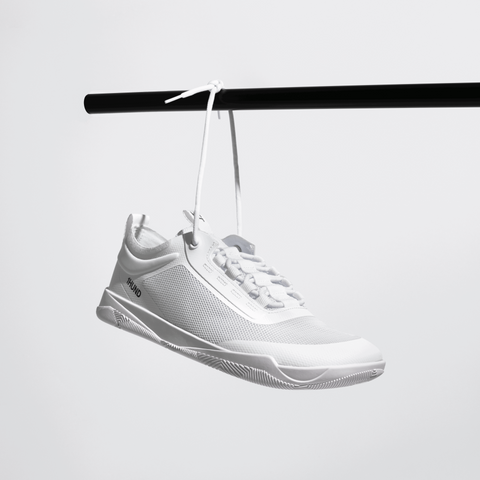
At 1HUND, our focus is performance footwear and apparel built for the gym. Our training shoes are zero-drop and barefoot-inspired, designed with a flat platform for natural alignment, a rugged but thin sole for ground feel and stability, and durable uppers made to handle heavy training weeks. The goal is simple: help you feel the floor, stay locked in, and move weight with confidence.
When every inch of the platform counts, the right shoes can turn a shaky first pull into a clean, explosive start. Over a steady four-to-six-week cycle, shifting into this grounded style of training can help you clean up technique, tighten your setup, and give your big three a stronger base to grow from.
Unlock Stronger, More Stable Lifts Today
If you are ready to feel more rooted, balanced, and powerful under the bar, our team at 1HUND built the right gear for you. Step into barefoot shoes for powerlifting that give you a solid connection to the platform without bulky cushioning getting in the way. Train with footwear designed to support proper mechanics so every squat, deadlift, and press feels more controlled and efficient. Try a pair for your next session and notice how much more in tune you are with every lift.