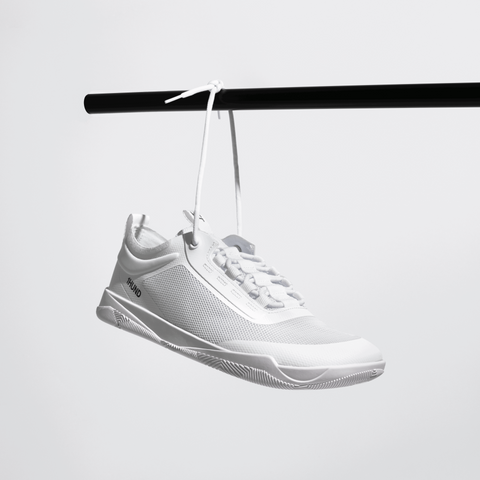


Unlocking stronger, more natural lifts starts from the ground up. When we change what is under our feet, we change how our whole body moves and reacts. Barefoot training footwear gives us a flat, stable base so our muscles work the way they were built to work. It feels a little like starting a new anime season where the main character learns a new skill that suddenly makes every fight cleaner and sharper.
Barefoot-style, zero-drop shoes keep our heels and toes at the same level with minimal padding, so we have better contact with the floor. That means more balance, more control, and more work from the small muscles in our feet and lower legs. For lifting and cross-training, this can help every rep feel more grounded.
The switch does not happen in one day, though. Think of the next 2 to 4 weeks as a focused training arc for your feet and technique. We will walk through a simple plan, form cues, and warning signs to watch for, so you can move into spring lifting cycles and summer goals feeling strong, steady, and ready for that main character reveal, whether that is a lean cut, a new squat PR, or a cosplay that needs powerful posture.
Why Barefoot Training Footwear Is the Origin Story Your Lifts Deserve
When our feet can feel the floor, our whole body gets better information. With barefoot training footwear, the arches and small muscles of the foot get stronger. This gives our squats and deadlifts a more stable base. The force from our legs moves into the bar with less wobble and less guesswork.
Raised-heel, cushioned shoes can feel comfy, but they often hide weak spots. A thick, soft sole is like bulky armor in anime, big and dramatic, but slow. You might lean into the heel, the bar might drift away from your mid-foot, or your knees might shift without you noticing. It can feel strong in the moment, yet your joints are not really learning stable control.
Barefoot-style shoes are more like fitted battle gear. Light, close to the ground, and shaped so you can move fast and clean while still having enough protection for lifting and everyday life. Your feet learn to grip, your ankles learn to line up, and your hips and knees start to track in a way that makes heavy work feel smoother and more honest.
Weeks 1, 2: Lighten the Load and Train Your Feet Like a New Skill
For the first two weeks, we treat our feet like beginners at hero school. They are smart, but they need time.
Start by dropping the load on your main lifts by around 10 to 20 percent. Keep total sets a bit lower, while keeping your normal training days the same or slightly fewer. Begin each session with warm-up sets and accessory work in your barefoot shoes. Once those sets feel steady and balanced, slowly move more of your working sets over.
Pick slower tempos so your body can get used to the new positions. Try 2 to 3 second controlled descents on squats and deadlifts, with no bouncing at the bottom. That extra time under control lets your feet, ankles, and knees learn the new pattern without the added stress of surprise.
Use simpler movement choices to build the base:
- Goblet squats
- Romanian deadlifts
- Split squats or lunges
- Farmer’s carries
Skip heavy jumping and hard plyos at first. Short, easy walks, gentle calf raises, and tiny ankle hops are plenty. For conditioning, choose lower-impact tools like a bike, incline walking, or light sled work while your feet get used to the new feel.
To keep it fun, lean into an anime-style habit system. Treat week one as “basic training” episodes. After each session, write a short recap in your log and rate your foot fatigue and stability from 1 to 10. Create an “adaptation bar” score too, from 1 (feet feel clumsy) to 10 (stance feels natural and locked in). When that bar is up around 7 or higher for a lift, you can start creeping the weight back up.
Weeks 3, 4: Sharpen Your Squat and Deadlift Form Like a Final Arc
By weeks three and four, your feet know the script. Now we clean up the main lifts.
For squats, try these simple cues:
- Root your feet by pressing big toe, little toe, and heel into the floor
- Keep arches from fully collapsing, but do not claw the floor hard
- Let your knees track over your middle toes, not caving in or flying way out
Without a raised heel, your torso angle may change. You might need a bit more ankle or hip mobility. A slightly wider stance or a small toe-out angle can help, as long as you still feel balanced and can hit good depth without rocking forward or backward.
For deadlifts, barefoot training footwear really shines. Set the bar over your mid-foot so your laces and bar are close without touching. As you pull, think “push the floor away” with the whole foot, not just the heel. Feel the pressure spread from heel to big toe to little toe as you stand. Lock your lats and brace your core like you are bracing for a hit in a fight scene; the more grounded your feet are, the more powerful your upper-body brace becomes.
Around this time, many lifters can return to their pre-transition working weights if technique feels smooth and recovery feels normal. Instead of going straight for a max single, test a heavy set of three or five and see how it feels. Film a top set from the side and a 45-degree angle to check bar path, knee travel, and balance.
Use the “boss fight” vibe sometimes, not every day. Pick one feature to lift each week to push a little harder. Keep the rest as clean, technical work to keep your form gains.
Injury Red Flags and Safe Adaptation so You Skip the Rehab Filler Arc
A bit of new soreness is part of the training arc. Mild aches in the arches, calves, and small foot muscles are common in the first weeks. Light stiffness in the ankles or Achilles that eases as you warm up is also normal.
Watch for real warning signs:
- Sharp, pinpoint pain in the heel or arch
- Pain that gets worse each session instead of better
- Swelling in the foot or ankle
- Strong morning pain that makes the first steps very uncomfortable
- Sudden front-of-shin or knee pain that did not show up before
If any of that hits, pull back fast. Cut lower body loads and total sets by around 20 to 30 percent, and keep barefoot work to warm-up and very light sets until things calm down. Add simple recovery work like calf stretching, ankle circles, gentle rolling of the arch with a ball, and short, slow walks on flat ground.
If sharp or growing pain lasts more than a week or so, it is smart to see a qualified professional like a sports podiatrist or physical therapist before you push again.
As the weather gets nicer and we spend more time outside, be careful with total steps. Barefoot training footwear makes long walks feel new, so avoid suddenly doubling your daily walking time. Good sleep, steady hydration, and enough protein are like the support crew in the background, helping your feet and lower legs adapt to all this new work.
Make This Your Barefoot Training Arc and Keep Leveling up
By the end of week four, you will likely know which lifts feel best in your new setup. Many lifters like to keep squats and deadlifts in barefoot-style shoes all the time so that a strong, stable base stays locked in. From there, you can add light walks, casual wear, and some cross-training days in your barefoot shoes so your feet stay “in character” all year.
We see each training block like a new anime season: fresh theme, new goals, updated gear. Your barefoot training footwear can match that energy, from daily strength work to crossover days at the gym. Take progress photos or videos over time, and watch how your squat depth, bar path, and foot stability change. It turns your strength work into its own on-screen transformation arc.
At 1HUND, we build performance-focused barefoot shoes for lifting, cross-training, and everyday life. Our goal is to help you feel that main character stance every time you step under the bar, so every training arc, from spring cycles to summer goals, feels like a clean, powerful upgrade.
Experience Stronger Training With Natural Movement
If you are ready to feel more grounded, stable, and connected in every workout, we are here to help you take that next step. Explore our barefoot training footwear designed to support real strength from the ground up. At 1HUND, we build gear to match your effort so you can train with more control and confidence. Make your next session the one where your footwear finally works with your body instead of against it.