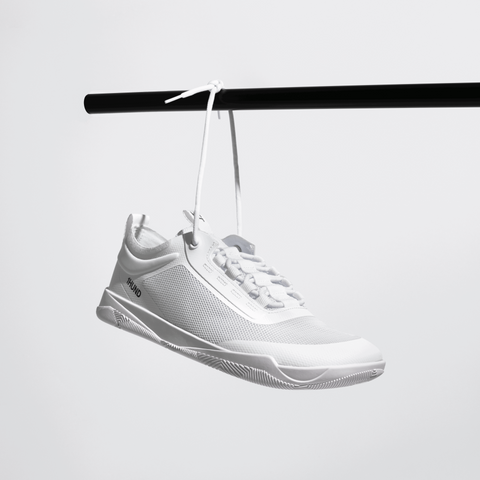


Why Barefoot-Style Training Is Winning Over Athletes
Barefoot training shoes are showing up on gym floors, in strength classes, and in everyday wear for a simple reason: they let feet do what they are designed to do. When your toes can spread, your arch can respond, and your heel sits flat on the ground, you get a more honest connection to every rep, step, and jump. For lifters, gym-goers, and everyday athletes, that can mean stronger feet, steadier positions, and more confidence under load.
At 1HUND, we build performance footwear and apparel around this idea of natural movement. Our barefoot-style, zero-drop training shoes are foot-shaped, minimalist, and created for people who want a stable, responsive base without bulk or unnecessary cushioning. In this guide, we will walk through what makes a barefoot training shoe different, why it matters for strength and health, and how to choose and transition into a pair safely.
What Makes a Shoe “Barefoot” and Why It Matters
When we say barefoot shoes or barefoot training shoes, we are talking about footwear that keeps as little as possible between you and the ground while still protecting your feet. The core features are a zero-drop platform so your heel and forefoot are level, a wide toe box that matches the natural shape of your foot, a flexible sole, lightweight construction, and minimal cushioning. The goal is not to feel like you are wearing nothing at all, but to let your feet move, flex, and load in a natural way.
Traditional training shoes typically use raised heels, narrow toe boxes, and thick midsoles that compress with every step. These features can shift your weight forward, crowd your toes together, and soften your connection with the floor. For many athletes, that setup changes how they squat, hinge, and land, and it can encourage the body to lean on foam and structure instead of muscular control. Barefoot-style designs flip that script.
With a foot-shaped, minimalist shoe, your toes can splay under load, your arches can respond dynamically, and your weight stays closer to the center of your base. That is especially important during lifts, squats, and athletic movements where a small wobble in your foot can travel up to your knees, hips, and spine. A flat, thin platform gives you a clear sense of where you are in space, which is exactly what you want when you are building strength and control.
Key Benefits of Training in Barefoot Shoes
One of the biggest benefits of barefoot training shoes is stronger feet and ankles. When you remove thick cushioning and built-in arch support, the small muscles in your feet and lower legs have to work again. That can support better arch integrity and long-term resilience, instead of letting your feet go passive inside a soft, structured shoe. For lifters and everyday athletes, stronger feet often translate into more stable bases for heavy compound lifts.
Balance, stability, and power transfer are another major win. A flat, grippy platform keeps you closer to the ground so the force you create travels cleanly from your legs through your feet into the floor. This is especially useful in movements like deadlifts, squats, and kettlebell swings, where you need to feel rooted and secure. Better ground feel also boosts proprioception, your sense of where your body is in space, which can support more precise technique and safer training.
Posture and alignment also benefit from a zero-drop shoe. When your heel is not propped up, your ankles, knees, hips, and spine have a better chance to line up naturally. That neutral stance can carry over into how you walk, stand, and move through daily life, not just how you train. Over time, many athletes notice they feel more stacked and centered, in and out of the gym.
How to Choose Barefoot Training Shoes That Actually Fit
Choosing barefoot training shoes starts with shape, not just size. A truly foot-shaped toe box should follow the outline of your foot, with enough space for your big toe to point forward and the rest of your toes to spread out under load. At home, you can trace your bare foot on paper and compare it to the outline of a shoe to see if the toe area matches your natural width and shape.
It also helps to measure your foot length and width while standing, when your foot is fully loaded. Many people find they need more room than they expect in a minimalist shoe, especially around the toes. Size guides can give a starting point, but pay attention to both length and width so you are not forcing your foot into a narrow or overly snug fit.
There are a few comfort and performance features worth looking for:
- A thin, flexible, and durable outsole that can handle gym floors
- Secure midfoot lockdown so your foot does not slide during dynamic work
- A breathable upper to keep your feet cooler in long sessions
- Enough ground feel to stay connected, without sharp pressure points
Zero-drop and a thin, stable platform are ideal for lifting and functional training, where you want to feel planted and balanced. When you try barefoot training shoes at home, use a few simple tests:
- Toe splay test: Can you comfortably spread your toes inside the shoe?
- Pinch test: Can you pinch some material over your forefoot, or is it squeezing?
- Heel slip check: Does your heel stay seated as you walk and lightly jump?
- Single-leg balance test: Can you stand on one leg and feel stable, not wobbly from the shoe sliding around?
Barefoot shoes should feel different from traditional trainers, lighter and more spacious in the toes, but they should never feel painful, restrictive, or sloppy.
Transitioning Safely to Barefoot Training Shoes
If you have spent years in cushioned or heeled shoes, your feet and calves need time to adapt. Jumping straight into heavy lifting or long conditioning sessions in brand-new barefoot training shoes can overload tissues that are not ready yet. A better plan is to start with short walks, warm-ups, and light gym sessions, then build up gradually as your body adjusts.
A simple way to support that transition is to add daily strength and mobility work for your feet and lower legs. Helpful drills include:
- Toe spreads and toe lifts while standing
- Towel curls to train your arch and toe flexors
- Calf raises on flat ground for the lower leg
- Ankle circles and gentle ankle rocks
-
Barefoot balance work, like standing on one leg for short periods
Strong, mobile hips and ankles help you get the most from minimalist footwear, especially in squats and lunges. Pay attention to how your body responds as you progress. Mild fatigue in your feet or calves can be a sign of good adaptation, but sharp pain or lingering soreness is a clue to slow down.
During the transition, it is perfectly fine to mix your old trainers with barefoot training shoes. You might use your minimalist pair for warm-ups and some strength work, then switch back for high-impact conditioning until your feet feel ready for more. The key is listening to your body, not rushing the process.
Top Barefoot Training Shoe Picks From 1HUND
Within our 1HUND lineup, we design barefoot training shoes around specific ways people train. For heavy lifting and power work, we focus on a stable, flat base with a grippy outsole and a secure upper that locks the midfoot in. That kind of shoe gives you a firm, predictable platform under the bar without extra height or wobble.
For more mixed gym sessions and classes, we like a versatile trainer, still zero-drop and foot-shaped, but tuned for movement in multiple directions. That means a flexible sole, breathable materials, and a fit that stays snug in quick transitions from kettlebells to sled pushes to core work. Many people also prefer something they can wear from the street to the gym, so we build lifestyle-friendly options that look clean while still giving you wide toe room and a flat, minimalist base.
Across the line, we focus on foot-shaped lasts, zero-drop platforms, and durable yet flexible soles that work well on common gym surfaces. Materials and breathability matter too, especially for athletes who train often and want long-term comfort without feeling weighed down. To match shoes to your training style, think about your main activities:
- Heavy barbell and strength focus, prioritize maximum stability and grip
- Mixed conditioning and classes, choose a versatile, flexible option
-
All-day wear plus gym, look for lifestyle-friendly design with the same barefoot principles
A small rotation can work well. Some athletes keep one pair centered on lifting, another for varied training and everyday wear, and use each where it shines. However you structure it, the goal is the same: natural movement, strong feet, and a training setup that supports what your body is built to do.
Unlock Stronger, More Natural Movement Today
If you are ready to train with better balance, stability, and control, our barefoot training shoes are built to help you move the way your body was designed. At 1HUND, we focus on footwear that lets your feet feel the ground so you can lift, run, and recover with more confidence. Explore the collection to find the fit and features that match your training style, then take the next step toward more natural performance.