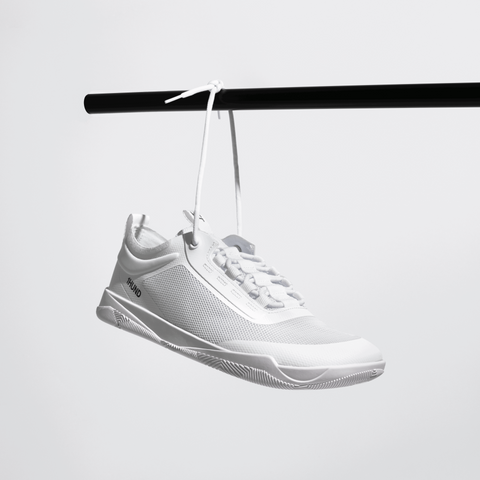


Hit reset on your feet this summer, and your whole body will feel the difference. Warm weather, longer days, and lighter shoes make it the perfect season to rebuild foot strength from the ground up.
Years of cushioned, narrow, heeled shoes can leave our feet sleepy and stiff. Toes get squeezed, arches get lazy, and ankles do extra work to keep us upright. That can creep into our lifts, our runs, and even simple things like standing at a concert or walking through the airport.
Barefoot training footwear gives us an easy way to start fresh. With flat soles, room for our toes, and more ground feel, these shoes help us move closer to how our feet were meant to work. Summer is our chance to reset, so our training feels stronger for the rest of the year.
Why Summer Is Prime Time to Train Barefoot
Warm months make everything about foot training easier. We tend to walk more, spend time on patios and trails, and reach for lighter shoes. That alone makes the shift into barefoot training footwear feel more natural.
Summer often brings:
- More outdoor workouts and walks
- Flexible schedules from vacations or half days
- Weekend trips with lots of casual movement
- Time in parks, backyards, and open spaces
All of that adds up to many short, low-pressure chances to wake up our feet. A quick walk to grab coffee, a few laps around the block, or a short bodyweight session in the yard can serve as mini training blocks for our toes, arches, and calves.
Stronger, more mobile feet can help cut down on common warm-weather annoyances like:
- Plantar discomfort after long walks on hard paths
- Ankle tweaks on uneven trails or grass
- Tired feet after festivals, travel days, or long shifts
When our feet sense the ground better, our balance and control often improve too. That pays off in strength sessions, hybrid training, and conditioning. Think more stable squats, cleaner hinges, smoother change of direction during sprints, and better grip on sled pushes.
The best part is that a summer focus on feet sets up the rest of the year. A few months of steady work create a base that carries into fall races, new training cycles, and busier routines, so we are not starting from zero when schedules get tight again.
The Barefoot Advantage: What Makes Barefoot Training Footwear Different
Barefoot-style shoes are not just “thinner sneakers.” They are built around how feet like to move.
Zero-drop means the heel and forefoot sit at the same height. Keeping things level helps our ankles, knees, hips, and spine align more naturally. For lifting, that can make it easier to feel our full foot on the floor. When we deadlift or squat in a zero-drop shoe, force often passes straighter from the ground, through the foot, and into the bar.
A wide, foot-shaped toe box is another big shift. Instead of squeezing our toes together, it lets them spread out. That splay gives us a wider base, better grip on the floor, and more natural stability. In split squats, carries, or hybrid sessions with lots of movement, that extra toe room can help us feel planted instead of wobbly.
The sole is thin and flexible, so our feet can actually feel what they are standing on. More ground feel wakes up the small muscles in the feet that tend to go quiet in thick, soft shoes. Those muscles help with balance, shock absorption, and quick reactions. That feedback can be a difference maker in multidirectional summer training, like:
- Short sprints on turf or track
- Sled pushes and drags
- Agility patterns, shuffles, and cuts
- Conditioning circuits with fast footwork
Barefoot training footwear is a simple tool, but it invites our feet to actually do their job again.
A Four-Week Summer Foot Strength Reset Plan
Here is a simple four-week plan to reset foot strength without overdoing it.
Week 1: Wake up your feet
Spend some time barefoot at home on safe, clear floors. Add light drills once a day, such as:
- Toe spreads, trying to separate each toe
- Towel scrunches with the toes
- Easy calf raises on flat ground
Start wearing barefoot-style shoes for short walks on flat, predictable surfaces. Think 5 to 10 minutes at a time, once or twice a day, then switch back to your regular shoes.
Week 2: Integrate into strength training
Keep the daily home drills, and start using barefoot training footwear for warm-ups and accessories. Great fits include hip hinges, split squats, single-leg Romanian deadlifts, and loaded carries.
Add simple balance work 2 or 3 times a week. Single-leg stands, step-downs, and slow calf raises help your ankles and arches learn to control pressure shifts.
Week 3: Level up for hybrid athletes
Now begin to bring your primary lifts into the mix. Try squats, deadlifts, kettlebell swings, and presses in barefoot shoes, focusing on slow, clean technique and strong foot contact.
Add short conditioning efforts that use more speed, but keep volume low at first. This might mean brief sled pushes, light sprints, or easy agility patterns. Pay close attention to how your calves and feet feel later that day and the next morning.
Week 4: All-day integration
As things feel good, slowly increase how long you wear barefoot training footwear throughout the day. Rotate with your other shoes when you notice fatigue so your tissues can adapt.
Include one weekly “foot-focused” session. Mix gentle mobility for the toes and ankles, soft-tissue work for the calves and arches, and a few of your favorite barefoot drills. The goal is to lock in new strength and smoother patterns, not chase soreness.
Transition Smart: How to Avoid Overdoing Barefoot Training
Even strong athletes need time to adjust. Feet, Achilles tendons, and calves work differently in flat, flexible shoes. That new load can catch people off guard if they rush.
Think of it like adding a new lift. You would not max out on the first day. Treat volume and intensity the same way, especially with running, jumping, or long conditioning sessions.
Soreness is normal; sharp pain is not. To manage normal soreness, many people find it helpful to:
- Gently massage calves and the bottom of the foot
- Do light stretching for the ankle and big toe
- Use contrast showers on lower legs
- Keep moving with easy walking on rest days
It can help to track how your feet feel, how many steps you take, and what your training load looks like. If soreness starts to climb, hold steady or pull back a little for a few days.
Watch for warning signs like sharp or stabbing pain, swelling that does not settle, or pain that gets worse the more you move. If you already deal with foot or ankle issues, it is always smart to talk with a qualified professional before making big changes to your footwear.
Step Into Stronger Summer Training
Stronger feet usually mean better lifts, more stable hybrid training, and long days on your feet that feel less draining. Summer gives us a natural window to reset, so those gains carry into the cooler seasons ahead.
At 1HUND, we design barefoot training footwear with zero-drop platforms, wide toe boxes, and flexible soles to support this kind of reset. Choose a pair that fits your training style, work through a calm four-week build, and let this summer be the moment you rebuild strength from the ground up.
Unlock Stronger, More Natural Movement
If you are ready to build strength, balance, and stability from the ground up, it starts with what you put on your feet. At 1HUND, we design our barefoot training footwear to help you move more naturally and stay connected to every rep. Explore the collection today and feel how much more control and feedback you gain in every workout.