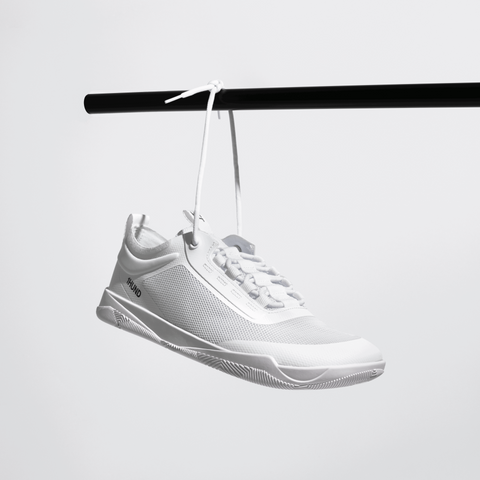


Stop Letting Your Shoes Sabotage Your Strength
Spring training hits, and we all start chasing new plates on the bar. New programs, tighter nutrition, better sleep. But a lot of lifters keep the same old barefoot gym shoes on their feet and hope for the best. That quiet little choice can hold back a lot of progress.
Even “good” minimalist or barefoot-style shoes can turn into a weak link. They get packed down, stretched out, or no longer match how you train now. What once felt locked in and powerful can slowly become sloppy and unstable without you really noticing.
When that happens, your base no longer matches your effort. You are working harder, but your shoes are losing strength on every rep.
We want to help you spot the specific signs that your current barefoot gym shoes are getting in the way, so you can fix the problem before your biggest spring and summer training blocks hit full speed.
Hidden Red Flags in Your Barefoot Gym Shoes You Are Ignoring
A solid barefoot shoe should give you a clear, steady ground feel. Your feet should know exactly where they are in space. When the sole starts to compress, flatten, or feel “mushy,” that feedback fades.
You might feel like the floor keeps changing under you. One part of the sole feels thin, another feels thicker. On heavy squats or deadlifts, that can shift your balance by tiny amounts. Those micro-tilts change your bar path, steal force, and ask your joints to clean up the mess.
Outsoles that are worn unevenly can also roll your foot to one side. That small tilt can turn into knees caving, hips twisting, or your torso drifting forward when the load gets heavy. Over time, that adds up.
The upper tells a story too. Barefoot gym shoes should let your toes spread, but your foot still needs to stay planted where you put it. When the upper stretches too much or collapses, your toes slide forward or bunch up.
That sliding kills your ability to push hard into the floor. Instead of driving through a stable base, your foot is chasing position inside the shoe. Fraying, tearing, or hot spots are all signs that the upper is no longer holding you in place.
When that happens, your small stabilizer muscles have to work overtime to keep you centered. That is energy you would rather send into the bar.
Then there is traction. Barefoot-style shoes are often used on rubber gym flooring, turf, and sometimes pavement. When tread gets smooth, or the grip was never strong to begin with, you feel tiny slips during leg drive.
You might notice it during heavy squats, split squats, or sled pushes. Even a slight slide makes your brain pull back on the effort. If part of you is worried your foot could skid, you will not push as hard as you could. That hesitation shows up in your numbers.
When Barefoot Becomes Barely Stable
You can usually feel when things are off before you can see the problem. Wobbly lifts are a big sign.
Maybe your squat feels different every time you walk out the bar. Some days your heels want to lift, some days your knees wobble, some days your weight drifts to your toes. If your training, warm-up, and setup are consistent, unstable footwear is a likely suspect.
Zero-drop is a big advantage for lifting, but only on a flat, steady base. When the soles of your barefoot gym shoes bend, twist, or warp over time, each rep lands on a slightly different surface. That tiny change shows up as shaky knees, shaky ankles, or a drifting bar path.
Foot fatigue is another warning. Barefoot-style training should make your feet stronger, but they should not feel wrecked halfway through every session. If your arches burn early or your feet feel “tired” long before the rest of your body, your shoes might be dead.
Dead cushioning or a stretched upper makes your feet fight for basic stability. That can roll up the chain into nagging ankle, knee, or hip discomfort. When the foot is not held in a neutral, grounded position, the rest of your joints have to pick up the slack.
Then there is the frustration of a plateau. You clean up your form, fix your sleep, dial in your food, and still, your core lifts will not move. At that point, people look at everything except their shoes.
Unstable footwear wastes force. Some of your power leaks into wobble, slide, and correction instead of being sent cleanly into the floor and back into the bar. When you switch to a secure, well-built pair of barefoot gym shoes, a lot of lifters feel “new” strength that was already there, just blocked by bad footing.
Fit, Features, and Form That Actually Help You Lift
So what should better barefoot gym shoes do for you?
First, the fit needs to be locked in where it counts, and free where it matters. A good pair hugs the heel and midfoot while giving the toes room to spread. That wide toe box should let your toes grip the floor without your foot sliding around.
When you test fit, think about real movements, not just standing still. During split squats, your heel should stay down without slipping. During sled pushes or downhill walks outside in warm weather, your foot should not slam forward into the front of the shoe.
Next, look at the platform. True zero-drop means your heel and forefoot sit at the same height. For lifting and cross-training, that lines up your joints in a natural way and helps you feel rooted.
The sole itself should be firm, flat, and abrasion resistant. You want the same ground feel in week one and week many, not a soft spot that grows over time. Good traction should grip rubber gym floors, turf, and pavement so you can move from the rack to conditioning work without thinking about your footing.
For spring and summer, versatility matters too. Training often shifts to include:
- Heavy barbell work
- Short sprints or hill runs
- Kettlebell flows and circuits
- Outdoor conditioning sessions
Your shoes need to keep up. Lightweight construction helps your feet feel quick between lifts and sprints. Breathable uppers keep your feet cooler in warm gyms and outside sessions. Durable materials keep everything holding its shape as your training volume climbs during longer days.
Level Up Your Lifts with Footwear That Matches Your Work Ethic
This is a good time to step back and be honest about what is on your feet. Take a few minutes before your next heavy day and run through a simple “shoe audit.”
Check for:
- Mushy or uneven soles
- Stretched out uppers or sliding toes
- Smooth tread or slipping on gym floors
- Wobbly reps that do not match clean technique
If you see two or three of those, your current barefoot gym shoes are probably not keeping pace with your goals.
At 1HUND, we build durable, zero-drop, barefoot-style athletic shoes for lifters and cross-trainers who care about every rep. Our focus is on stability, traction, and all-day comfort, so you can move from the weight room to conditioning to daily wear without changing your base.
When your footwear matches your work ethic, your training feels different. The floor feels closer. Your stance feels locked in. Your mind can stop worrying about your feet and focus fully on the bar in front of you.
Upgrade Your Training With Natural Foot Freedom
If you are ready to lift, move, and recover with better balance and ground feel, our barefoot gym shoes are built to support every part of your workout. At 1HUND, we design footwear that keeps your feet working the way they were meant to, so you can focus on performance, not discomfort. Explore the collection today and find the pair that matches your training style.