

Harnessing Hip Power From the Ground Up
Strong squats and deadlifts start at the hips. The hips are the engine that moves the bar, keeps you stable, and protects your back. When hip drive clicks, heavy reps feel smoother, not just heavier. This matters for powerlifters chasing numbers, hybrid athletes mixing barbell work with conditioning, and everyday lifters who simply want to stay strong for a long time.
Spring training cycles and pre-summer strength blocks are a perfect time to clean up that engine. The weather warms up, joints feel a bit better, and many of us start pushing heavier weights again. We often focus on programs, accessories, and cues, but skip one simple piece that touches every rep: what is on our feet.
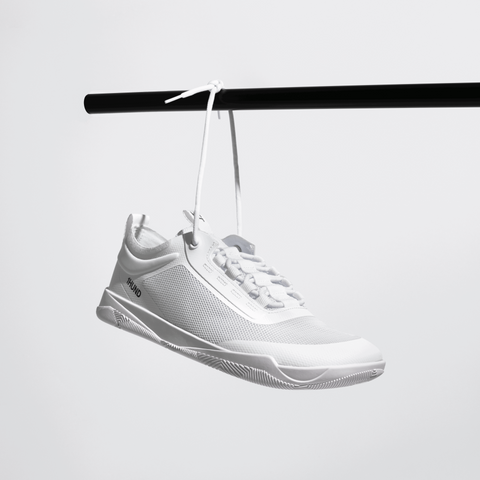
Footwear can help you connect to the floor, feel your base, and drive with the hips instead of the knees or lower back. Zero-drop, barefoot-inspired training shoes sit low, flat, and close to the ground, which can make hip engagement easier to find and repeat. At 1HUND, we build footwear with that goal in mind, and we will walk through how to turn better ground contact into stronger hip drive.
What Hip Drive Really Is and Why Most Lifters Never Fully Tap Into it
Hip drive is not just standing up with the bar. It is the coordinated push of your hips moving from flexed to extended while the bar tracks in a strong path. You load the hips at the bottom, then push them forward and up, using the floor as your anchor.
Several muscle groups fire together when hip drive is on point:
- Glutes, to extend the hips and lock out heavy weight
- Hamstrings, to help pull the hips through and support the knees
- Adductors, along the inner thigh, to keep the knees from caving in
- Spinal erectors, to keep the torso stable so force can move through the bar
Late winter and early spring strength work often includes heavier sets and lower reps. That is when weak hip drive shows up. The bar drifts forward, the knees shoot ahead of the toes, or the hips shoot up while the chest drops. You feel the lift more in your quads or low back, instead of in your hips and posterior chain.
Common barriers include poor foot stability, wobbling arches, and the weight rolling to the toes. Excessive forward knee travel can shift load away from the hips. Losing tension at the bottom of a squat or off the floor in a deadlift can also kill your power. All of these are easier to fix when you get better feedback through your feet.
How Barefoot Shoes for Powerlifting Transform Your Connection to the Ground
This is where barefoot shoes for powerlifting come in. A thin, flat platform lets you feel the ground clearly. You can sense if your weight shifts, if your arch collapses, or if one side of your foot is doing more work than the other. That awareness helps you lock in what many coaches call the tripod foot, where heel, big toe, and little toe share the load.
A zero-drop platform, where heel and forefoot sit at the same level, keeps your body in a natural line. With a flat base and a wide toe box, your toes can spread and grip. This often leads to:
- A more stable base under heavy squats and deadlifts
- Cleaner knee tracking over the middle of the foot
- Hips that can sit back and down instead of drifting forward
Thinner, flexible soles can also help your balance and bar path. When you can feel even small shifts, you learn to correct them in real time. Weight stays closer to the midfoot, so you stop rocking forward onto the toes. That means less wasted motion and more of your leg drive turning into strong hip extension, especially on heavy sets when every bit of power counts.
Building Seasonal Strength with Hip Drive-Focused Training
For late winter into spring, many lifters like a 6 to 8 week strength block. During this block, you can center your training around hip drive. Think of it as practice for how you want every heavy rep to feel when summer rolls around.
Key lifts that fit well with barefoot-inspired footwear include:
- Low bar or hip-dominant squats
- Paused deadlifts from the floor or just below the knee
- Romanian deadlifts for hamstrings and glutes
- Hip thrusts for lockout power
- Kettlebell swings for explosive hip extension
A simple weekly layout might include one heavier squat day, one heavier deadlift day, and one lighter or speed-focused day. You can use moderate volume on the main lifts, then follow with 2 to 4 accessory moves that keep the focus on hips and posterior chain. Tempo work, like slow negatives or pauses in the bottom, pairs well with flat, barefoot-style shoes because you can feel exactly where your weight sits.
As the weeks go on, you can slowly raise intensity while trimming total volume. The idea is to build strong, resilient hips that can handle heavier summer loads or later meet prep. Barefoot shoes for powerlifting help reinforce the same foot position and pressure pattern on every set so your technique becomes more repeatable.
Technique Tweaks That Make Barefoot Shoes Work for You
Switching to barefoot-inspired shoes works best when you pair them with a few specific technique cues.
For squats, try:
- Spread the floor by gently driving your feet outward
- Root the tripod foot so heel, big toe, and little toe all press down
- Start the motion by sending the hips back as the knees bend
- Drive hips and chest up together out of the hole
For deadlifts, try:
- Set the bar over the midfoot, not the toes
- Feel the whole foot grounded before you pull
- Load the hamstrings by pushing the floor away, not yanking the bar up
- Think about pushing the hips through the bar to finish the lift
When you first move into flatter, more flexible shoes, you may notice calf or foot fatigue. The smaller muscles in your feet and lower legs are working harder. A gradual transition helps. Many lifters start by using their new shoes on warm-up sets or lighter days, then move into heavier work as their feet adapt. This way, you get the hip drive benefits without overworking new tissue too quickly.
Step Into Your Strongest Hip Drive and Own Every Rep
A focused hip drive phase during spring can set the tone for the rest of the year. Small changes at the foot can lead to big changes at the bar. When your base is stable and you can feel the floor, your hips know where to go and your lifts feel smoother and more powerful.
At 1HUND, we build zero-drop, barefoot-inspired training shoes to support that kind of training. Our goal is simple: give you a flat, stable, and comfortable platform that lets your hips do what they are meant to do on squats, pulls, and all the hybrid work in between.
From here, a simple plan works well. First, look at your current mechanics and notice where you lose tension or balance. Second, bring barefoot-style training into easier sessions to let your feet and hips learn a new groove. Third, slowly load that pattern into your heavier days so every step from the floor turns into a stronger, more explosive hip drive.
Lift Heavier With Grounded, Stable Footwork
If you are serious about building strength, your foundation has to be solid from the ground up. At 1HUND, we design barefoot shoes for powerlifting to help you feel more connected to the platform, improve stability, and stay locked in under heavy loads. Step into a pair and experience how better foot mechanics can support safer, stronger lifts. Try them in your next session and feel the difference with every rep.