

Unlocking stronger squats, deadlifts, and lunges starts at the ground. When we train, many of us obsess over programs, percentages, and new PRs. We tweak our stance, grip, and bar path. But we ignore one quiet strength booster that is right under our feet: proprioception.
Proprioception is our body’s sense of where it is in space. It is how we know our knee is bending or our hip is shifting, even with our eyes closed. Strong proprioception means more stable squats, smoother deadlifts, and lunges that do not wobble all over the place.
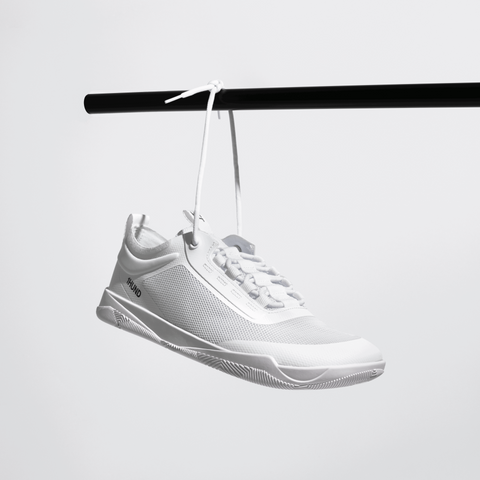
Barefoot gym shoes can act like training wheels for the nervous system. The thin sole and flat platform give the brain clearer feedback from the floor, which helps us balance, line up our joints, and recruit the right muscles. When cold weather moves us inside for treadmills and weight rooms, that is the perfect time to train this skill with intention.
Why Proprioception Is the Missing Link in Your Lifts
Inside every joint, and especially around the feet and ankles, tiny sensors send messages to the brain about angle, pressure, and tension. Your brain uses that info to map your movement pattern and choose which muscles fire and when they fire.
When proprioception is sloppy, common problems show up, like:
- Knees caving in at the bottom of a squat
- Heels popping up as you sink deeper
- Wobbly, unsure lunges
- Deadlift lockouts that feel different every rep
Thick, squishy shoes mute the signal coming from the floor. Your feet search for balance, your knees drift, and your hips do weird things to keep you from falling. Over time, the pattern becomes your “normal,” even if it is unstable.
With zero-drop, barefoot-style training, the signal gets much clearer. Barefoot gym shoes help your toes spread, let you feel your full foot tripod, and keep your ankle, knee, and hip stacked. That better feedback usually leads to a cleaner bar path, more consistent alignment, and stronger power transfer on every lower-body rep.
Why Barefoot Gym Shoes Are Perfect for Mind, Muscle Drills
Barefoot gym shoes have three key features that make them great for proprioception drills:
- Thin, flexible soles that let you feel the floor
- A wide toe box so your toes can splay and grip naturally
- Zero drop so your heel and forefoot stay on the same level
When late winter hits and we spend more time inside, we often log more treadmill miles and more indoor strength sessions. That is an ideal window to swap soft running shoes for flatter, barefoot-style footwear during lifting. It builds foot strength and awareness before outdoor runs, hill sprints, or field sports pick up in warmer months.
To use barefoot-style footwear safely in the gym, start small. Use them for warm-ups and light sets first. Keep the weight modest and slow the tempo. Over a few weeks, as your feet adapt and your balance improves, you can use them for more working sets on squats, deadlifts, and lunges.
Eyes-Closed Warmup Drills to Wake Up Your Feet
Eyes-closed drills wake up your nervous system fast because you cannot rely on what you see. Your body must lean on proprioception instead, which lights up your stabilizer muscles and the small muscles in your feet.
Try these, barefoot or in barefoot gym shoes:
- Single-leg balance with soft knee bend: Stand tall, lift one foot, and keep a gentle bend in the standing knee. When that feels stable, reach the free leg slightly back or move your arms overhead.
-
Foot tripod and ankle rocks: With both feet on the floor, close your eyes and rock gently forward and back. Keep equal pressure through big toe, little toe, and heel. Feel how your ankles and toes work to keep you upright.
Do 2 to 3 sets per leg or position, holding for 20 to 30 seconds at a time. In about 3 to 5 minutes, your feet, ankles, and hips will feel awake. As a winter “pre-lift ritual,” this is like turning on your movement GPS before the heavy work starts.
Tempo and Pause Drills for Squats, Deadlifts, and Lunges
Once you are warm, use tempo and pauses to deepen mind-muscle connection.
Squats: Take 3 to 5 slow seconds to lower. Keep steady pressure through mid-foot. Track knees over the middle of the feet. Pause for 1 to 2 seconds in the bottom and notice your hip and ankle position. In barefoot gym shoes, you can feel instantly if your arches are collapsing or your weight is drifting to your toes.
Deadlifts: Before each rep, lock into your start position and hold for about 3 seconds. Feel your lats brace, your core tight, and your feet gripping the floor. As you lower the bar, take 2 to 3 controlled seconds, keeping it close to your legs and your hips moving back, not down. Notice if your heel wants to lift or your toes want to claw.
Lunges: Step into your lunge and take 2 to 3 seconds to reach the bottom. Pause 1 to 2 seconds and check in. Is your front foot flat and stable? Is your front knee stacked over mid-foot? Reverse lunges are usually easier for balance at first. Walking lunges can come later as a progression.
Six Progressive Mind, Muscle Proprioception Drills
Here is a simple progression you can plug into any lower-body program.
Beginner drills, for the first 2 to 3 weeks:
- Wall-supported single-leg balance, eyes closed, barefoot or in barefoot gym shoes, 20 to 30 seconds per leg.
- Slow bodyweight box squats with a 3 second descent and 2 second pause on the box. Focus on even foot pressure and calm breathing.
Intermediate drills:
- Tempo goblet squats or front-foot-elevated split squats with a 3 second lower and 1 to 2 second pause at the bottom. Stay barefoot-style for better feedback.
- Romanian deadlifts with a 3 second eccentric and a short “hover” pause just below the knee. Feel hamstring tension and exact hip position.
Advanced drills:
- eyes-soft or eyes-closed tempo lunges done near a rack or with a spotter, to keep you safe while you challenge your balance.
- 1.5-rep squats or deadlifts, where you go down, come halfway up, go back down, then stand. This increases time under tension and teaches you what good positions feel like without loading more plates.
As you move from beginner to advanced levels, keep the focus on control and body awareness. The goal is not to suffer through slow reps. The goal is to feel every inch.
Turn Every Lower-Body Day Into Proprioception Practice
When we pair barefoot gym shoes with eyes-closed warm-ups, slow tempo work, and smart pauses, lower-body days become skill practice for our whole nervous system. Squats feel more grounded. Deadlifts feel smoother from floor to lockout. Lunges feel like they move on rails instead of on shaky ground.
A simple plan is to choose one eyes-closed drill, one tempo variation, and one pause drill on every lower-body day for the next several weeks. Track how stable you feel, how steady the bar path looks, and how balanced you are from rep to rep.
At 1HUND, we focus on performance footwear and apparel that supports this kind of mindful training, especially with zero-drop, barefoot-style athletic shoes for lifting, cross-training, and everyday wear. As you look at your current footwear, consider testing a flatter, wider, barefoot-style option and start treating your feet like active, intelligent sensors in every squat, deadlift, and lunge.
Upgrade Your Training With Natural Movement Performance
If you are ready to lift, sprint, and recover with better balance and control, our barefoot gym shoes are built to help you move the way your body was designed. At 1HUND, we focus on lightweight, foot-shaped designs that support strength and stability without getting in your way. Explore the collection today and feel the difference in your posture, grip, and overall training confidence.